German Autumn Comfort Foods: Kürbissuppe & Maroni Customs
When the crisp October winds begin to sweep across Germany and the golden days of Altweibersommer transition into darker, chillier evenings, the...
Read more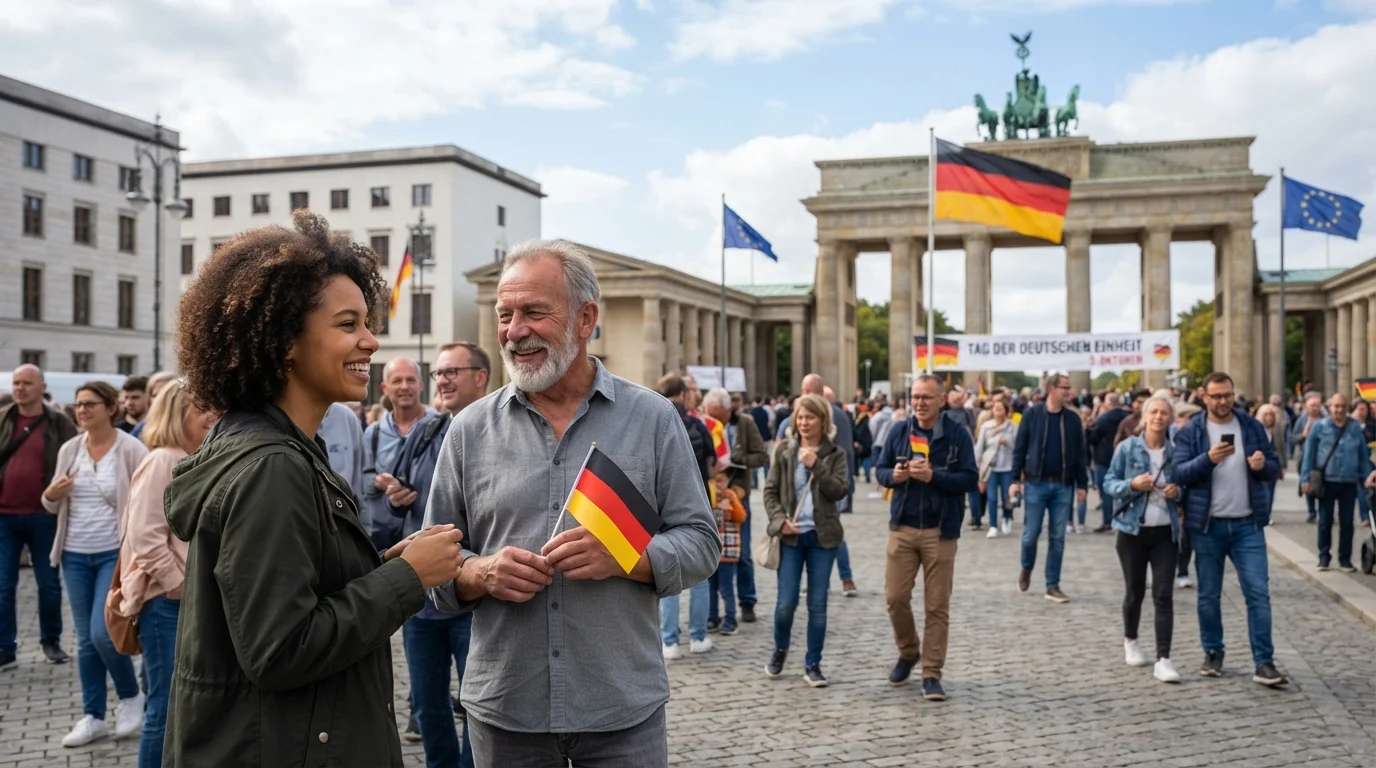
If you live in Germany or have spent an autumn here, you have likely noticed that on October 3rd, the bustle of daily life comes to a sudden halt. Supermarkets lock their doors, offices go dark, public transit shifts to a relaxed Sunday schedule, and government buildings hoist the black, red, and gold national flag. This day is Tag der Deutschen Einheit (Day of German Unity), Germany’s national holiday.
Unlike many other countries whose national days feature thunderous military parades or boisterous flag-waving street parties, German Unity Day is observed with understated civic reflection, family outings, and regional festivals. For language learners, expats, and anyone preparing to settle long-term in the country, understanding October 3rd is an essential gateway into modern German culture, history, and political identity.
To understand Tag der Deutschen Einheit, one must look at the pivotal period between late 1989 and late 1990. Following World War II, Germany was split into two separate entities: the democratic Federal Republic of Germany (FRG / Bundesrepublik Deutschland) in the west and the communist German Democratic Republic (GDR / Deutsche Demokratische Republik) in the east. For decades, the Iron Curtain and the Berlin Wall separated families, friends, and an entire nation.
Many newcomers to Germany naturally ask: "Why isn’t the national holiday celebrated on November 9th, the day the Berlin Wall actually fell in 1989?"
While the fall of the Berlin Wall (der Mauerfall) on November 9, 1989, remains one of the most euphoric moments in modern European history, November 9 carries heavy historical weight in Germany. Known to historians as a Schicksalstag (Day of Fate), November 9 marks several defining and tragic events in German history:
Because of the solemn remembrance required for the events of 1938, November 9 was deemed unsuitable as a celebratory national holiday. Instead, the political leaders selected October 3, 1990—the official date on which the political unification of Germany was formally executed under Article 23 of the German Basic Law (Grundgesetz). On this date, the five re-established eastern states (die neuen Bundesländer: Brandenburg, Mecklenburg-Western Pomerania, Saxony, Saxony-Anhalt, and Thuringia), along with reunited Berlin, officially acceded to the Federal Republic. You can explore the foundational legal milestones of this unification process directly via official portals like bundesregierung.de.
One interesting legal nuance of Tag der Deutschen Einheit is its status among holidays. Germany is a deeply federal country (Föderalismus), meaning that public holiday legislation almost entirely falls under the jurisdiction of the individual 16 federal states (Bundesländer). Holidays such as Epiphany, Corpus Christi, or Reformation Day are only observed in certain states.
Tag der Deutschen Einheit is the sole public holiday established by federal law (under the Unification Treaty / Einigungsvertrag). Every single state, from Schleswig-Holstein to Bavaria, observes October 3rd as a statutory day off (gesetzlicher Feiertag).
If you come from a country with flashy national day celebrations like the 4th of July in the United States or Bastille Day in France, Germany’s approach might surprise you. Patriotism in post-war Germany is handled with deliberate modesty and nuance. Here is how the day typically unfolds across the country:
Each year, the official national celebration is hosted by the federal state that holds the presidency of the Federal Council (Bundesrat). The capital city of that presiding state hosts the Bürgerfest (Citizens’ Festival), featuring concerts, political discussions, culinary stalls, and interactive exhibitions representing all 16 states. The Federal President (Bundespräsident) and Federal Chancellor (Bundeskanzler) attend an official ceremony and an ecumenical church service alongside international guests and everyday citizens.
Since 1997, October 3rd has also been designated as Tag der offenen Moschee (Open Mosque Day). Initiated by Muslim self-organizations, mosques across Germany open their doors to non-Muslim visitors for guided tours, panel discussions, and communal tea. The deliberate choice of October 3rd symbolizes that Germany's diverse Muslim population is an integral, inseparable part of modern, unified Germany.
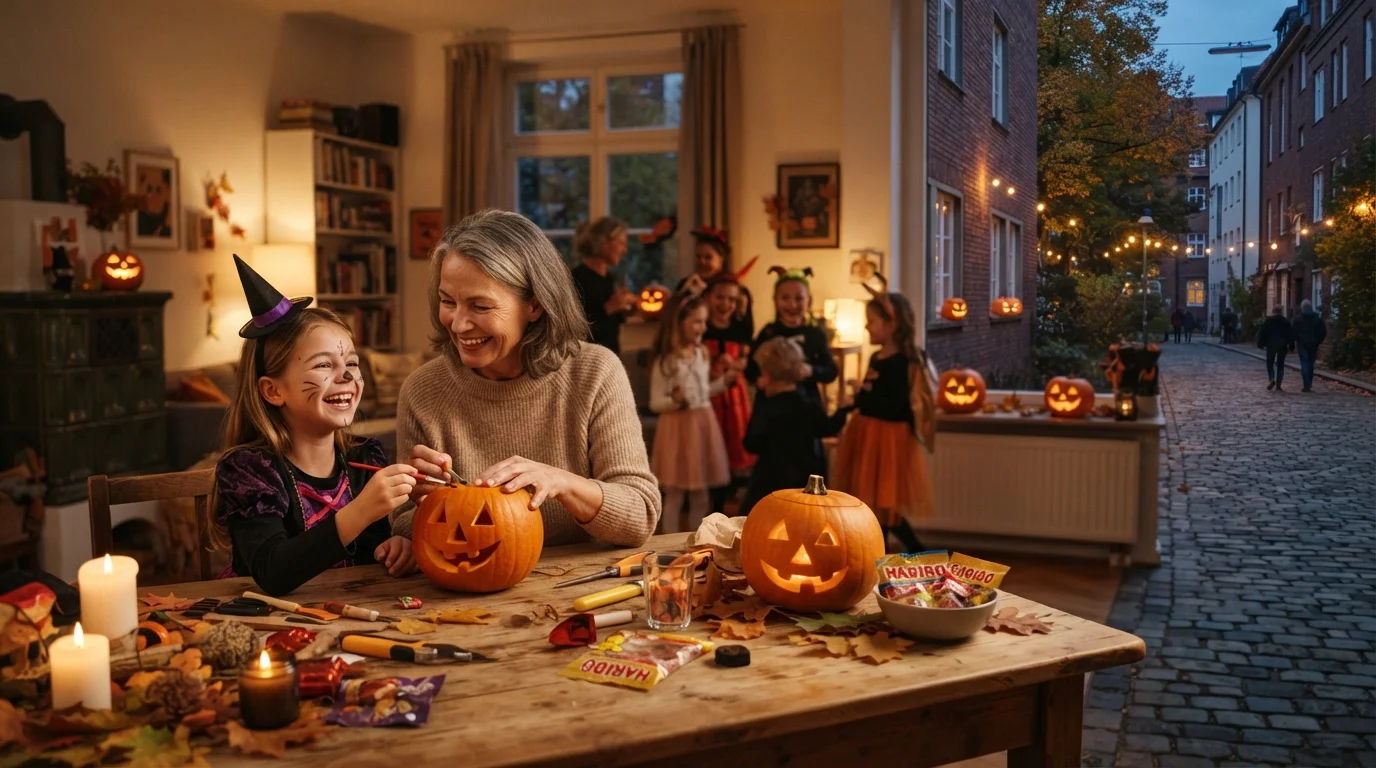
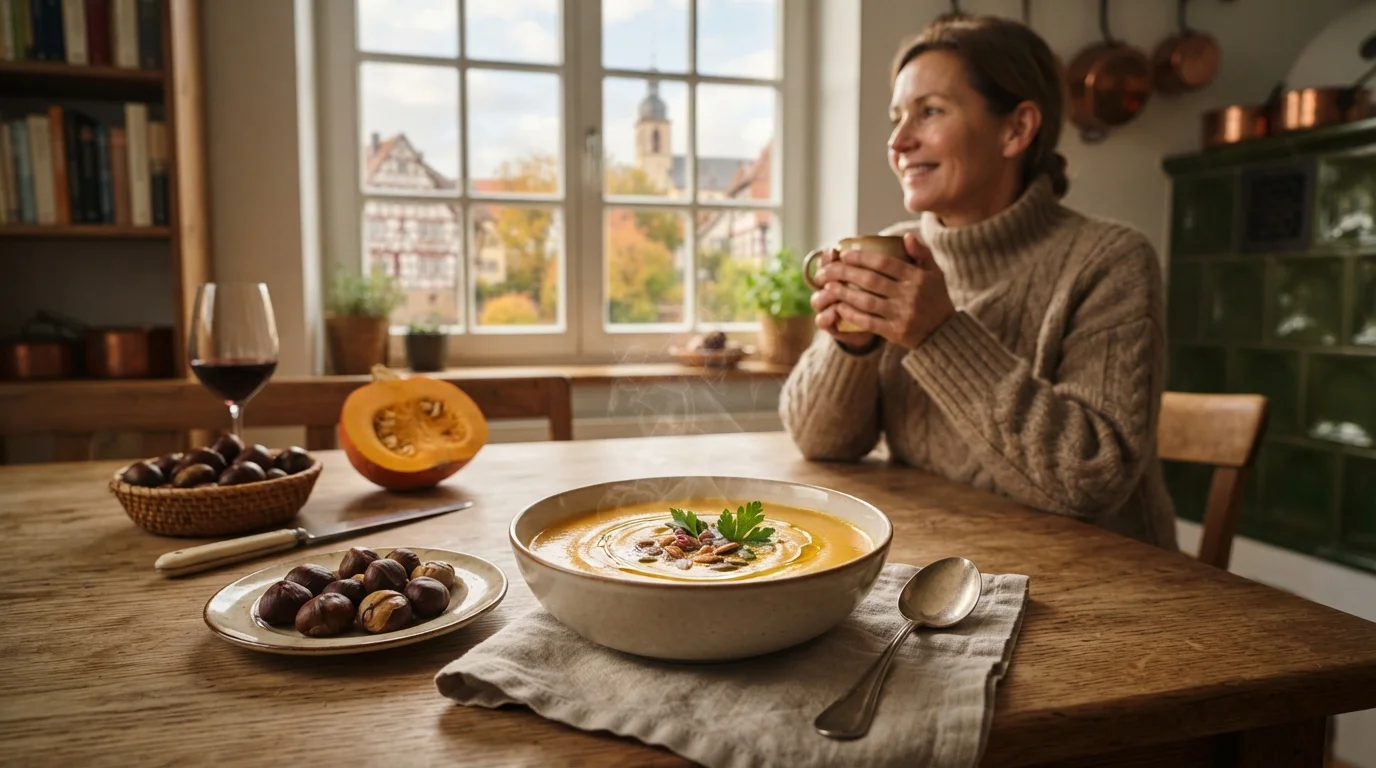
For most residents, October 3rd offers a welcome pause. Families and friends take advantage of the crisp autumn weather, known culturally as the Altweibersommer season, to go hiking in local forests or enjoy countryside bike rides. In wine regions, locals gather at seasonal taverns to enjoy autumn staples such as Federweißer and Zwiebelkuchen. As October progresses, towns gradually transition toward cooler days and festive events, leading all the way up to autumn and Halloween traditions in late October.
Familiarizing yourself with historical and political terms helps you follow news broadcasts and hold meaningful conversations with locals. Here are the core terms associated with October 3rd:
For immigrants and expats planning a long-term life in Germany, Tag der Deutschen Einheit is more than just a historical milestone—it is a core topic in German civic education. Germany’s naturalization requirements emphasize understanding the constitutional values and history of the country.
Under current German citizenship law, foreign nationals can apply for German citizenship after at least five years of lawful residence. Multiple citizenship has been legally permitted since June 2024 (with the previous three-year fast-track option having been abolished as of October 2025). Alongside German language competence at level B1, passing the naturalization test—known formally as the Einbürgerungstest or Leben in Deutschland (LiD) test—is a standard prerequisite.
Administered under guidelines set by the Federal Office for Migration and Refugees (bamf.de), the test consists of 33 multiple-choice questions drawn from an official catalogue of 310 questions (300 general questions and 10 state-specific questions). Test-takers have 60 minutes to complete it, and achieving 17 correct answers is required for citizenship (15 marks a pass for the integration course's Orientierungskurs).
Questions regarding October 3, 1990, the division of Germany, and the Basic Law appear regularly in this catalogue. You will commonly encounter questions such as:
If you are working toward your B1 exam or preparing for the Leben in Deutschland test, building vocabulary and civic knowledge side-by-side makes preparation far more manageable. The language app Bretzi includes dedicated exam practice for the Einbürgerungstest at B1, featuring questions on life in Germany, reading, writing, listening, and speaking modules with timers and AI feedback, alongside spaced-repetition flashcards that reinforce historical and political terminology.
To avoid holiday-related surprises, keep the following practical tips in mind:
Learning German involves more than mastering verb conjugations and case endings; it requires connecting with the stories, debates, and memories that shape how German speakers see the world today. Tag der Deutschen Einheit serves as an annual reminder of how quickly borders can dissolve when civic courage prevails, and how ongoing dialogue unites people across different backgrounds.
Whether you mark October 3rd with a quiet walk through your local park, visit an exhibition on the inner-German border, or spend an hour practising historical German vocabulary on Bretzi, taking time to appreciate the meaning behind Tag der Deutschen Einheit will deepen your connection to life in Germany.
Rules, fees and dates change. Check the current version on the official pages before you act.
Share this article:
When the crisp October winds begin to sweep across Germany and the golden days of Altweibersommer transition into darker, chillier evenings, the...
Read moreAs October draws to a close, a distinct shift sweeps across Germany. Bakeries display marzipan ghosts alongside hearty pumpkin pastries, shops deck...
Read moreSeptember in Germany has a flavor: slightly sweet, gently sparkling Federweißer served with a warm slice of savory Zwiebelkuchen. This seasonal...
Read more