
How to Ace the Oral Picture Description in the DTZ B1 German Exam
Standing outside the exam room, heart thumping, waiting for the oral portion of the Deutsch-Test für Zuwanderer (DTZ) is an experience thousands of...
Read more
This article was drafted by AI and edited by a person before it was published.
AI can get things wrong. For anything official, check the source it points to.
AI-generated image
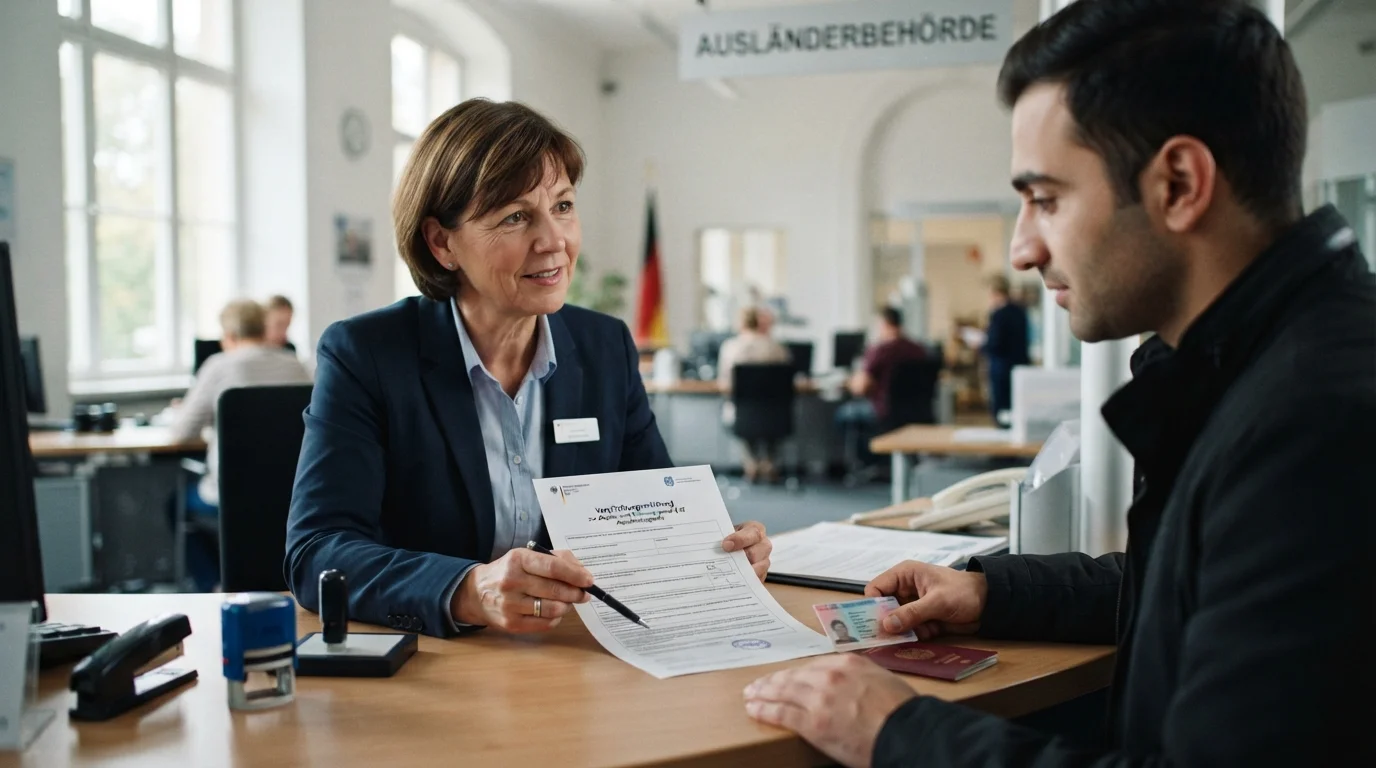
Moving to Germany, hosting family members, or inviting friends from abroad often involves navigating a maze of bureaucratic procedures. One of the most common yet misunderstood documents you will encounter in this process is the Verpflichtungserklärung (formal obligation letter or declaration of commitment). This legally binding document is a cornerstone of the German visa application process for visitors who cannot fully finance their own stay.
Whether you are an expat living in Germany wishing to bring your parents over for a summer holiday, or a student hosting a friend from a non-EU country, understanding the ins and outs of the Verpflichtungserklärung is crucial. In this comprehensive guide, we will break down exactly what this document is, who needs it, how you can get one, the financial requirements involved, and the serious legal responsibilities that come with signing it.
A Verpflichtungserklärung is an official document in which a sponsor resident in Germany guarantees to the German government that they will cover all costs arising from a foreign visitor's stay. This guarantee is legally binding and covers everything from daily living expenses, housing, and medical care to potential deportation costs should the visitor overstay their visa.
Under sections 66 to 68 of the German Residence Act (Aufenthaltsgesetz), the German government wants to ensure that foreign visitors do not become a financial burden on the public social welfare system. If the visitor cannot prove sufficient financial means of their own, a sponsor in Germany must step in and sign this formal declaration of commitment.
There are two primary types of Verpflichtungserklärung:
Not everyone visiting Germany needs a Verpflichtungserklärung. It is specifically required when:
If you are planning to settle in Germany long-term, you might also find yourself dealing with other integration milestones. For instance, understanding the local culture and laws is vital, and preparing for exams like the understanding the 'Leben in Deutschland' test is a common step for those seeking permanent residency or citizenship.
To sign a Verpflichtungserklärung, the sponsor (the person living in Germany) must meet strict eligibility criteria. The immigration office (Ausländerbehörde) will conduct a thorough creditworthiness check (Bonitätsprüfung) to ensure the sponsor can actually afford the financial commitment. To qualify as a sponsor, you must:
If you are currently taking courses to integrate into German society, perhaps preparing for the German integration course placement test, you should note that being on social benefits or unemployment benefits (Bürgergeld) disqualifies you from acting as a financial sponsor.
Obtaining this document requires careful preparation and an in-person or online appointment with your local immigration authority. Here is the typical step-by-step process:
Both the sponsor and the visitor must provide specific information. As the sponsor, you will typically need to prepare:
You must submit the application to the immigration office (Ausländerbehörde) or, in some municipalities, the local citizens' office (Bürgeramt) where you reside. Many cities like Berlin, Munich, and Hamburg allow you to book an appointment online, while some smaller towns allow walk-ins or physical drop-offs. Check the official local portal, such as the Berlin Service Portal, for specific local guidelines.
You will need to fill out a form titled Angaben zur Verpflichtungserklärung (Details for the Declaration of Commitment). This form requires you to state whether you are guaranteeing a short-term Schengen visa or a long-term national visa. Accuracy is vital; any discrepancy between the details on this form and the visitor's passport can lead to visa rejection.
During the appointment, the clerk will verify your identity, check your financial documents, and calculate whether your net income meets the minimum threshold for sponsorship. If you pass the creditworthiness test, you will sign the official document in front of the officer. You must pay a processing fee, which is standardized at €29 across Germany.
The immigration office will hand you the original, highly secure document printed on special paper with a watermark. You must mail the original physical document to your guest abroad. The German Embassy or Consulate processing the visa application will not accept copies, scans, or PDFs. Your guest must present this original document during their visa interview.
How much money do you actually need to earn to sponsor someone? The exact net income threshold is calculated based on the Pfändungsfreigrenze (seizure-free income limit) defined by German law. The threshold increases depending on:
For a single person with no dependents wishing to sponsor one guest, the required monthly net income typically starts around €1,400 to €1,600, though this can vary slightly by region. If you are married with two children and want to sponsor two parents, the required net income will be significantly higher, often exceeding €3,000 net per month. If your income falls short, you may still be allowed to deposit a security bank guarantee (Sicherheitshinterlegung) in a blocked account, though not all local authorities offer this option.
Signing a Verpflichtungserklärung is not a mere formality; it carries substantial legal and financial risks. You are entering into an agreement with the German state, not just with your guest. Your liability includes:
The financial liability for a short-term Schengen visa typically ends when the guest leaves the Schengen Area or is granted a different residence status. However, for long-term stays, the liability can last for up to five years, even if the relationship between you and the guest breaks down. Therefore, you should only sign a Verpflichtungserklärung for individuals you absolutely trust.
Dealing with German authorities and understanding legal terms like Bonitätsprüfung, Aufenthaltsgesetz, or Pfändungsfreigrenze can feel overwhelming, especially if your German language skills are still developing. Navigating these appointments with confidence is much easier when you can communicate effectively with the officials.
This is where the Bretzi app can make a massive difference. Bretzi offers AI-powered personalized learning plans tailored to real-life scenarios, including interacting with German administrative offices. With Bretzi's interactive dialogue games and real-life German conversation practice, you can practice the exact vocabulary and phrasing needed to handle appointments at the Ausländerbehörde or Bürgeramt.
Whether you are preparing for everyday life in Germany or aiming for long-term integration goals like how to ace the DTZ German B1 Speaking Exam, Bretzi's pronunciation training and vocabulary building tools help you practice speaking clearly and confidently.
The Verpflichtungserklärung is a powerful tool that enables friends, family, and students from all over the world to visit or study in Germany when they might not otherwise have the financial means to do so. While the application process is structured and straightforward, the financial liability you assume as a sponsor is serious and long-lasting.
By preparing your financial documents diligently, ensuring your guest has comprehensive travel insurance, and understanding the legal scope of your commitment, you can easily secure this document and welcome your loved ones to Germany. Take the first step today by checking your local immigration office's website to book your appointment, and keep practicing your German to make the administrative process as smooth as possible!
Share this article:
Standing outside the exam room, heart thumping, waiting for the oral portion of the Deutsch-Test für Zuwanderer (DTZ) is an experience thousands of...
Read moreGermany's modernized citizenship law has transformed how long-term foreign residents build their futures in the country. Following landmark updates...
Read moreSecuring a German B1 language certificate is one of the most critical milestones for anyone building a life in Germany. Whether you are aiming for a...
Read more