Baggersee Etiquette: Your Guide to German Lake Rules
A Summer Guide to German Lakes (Baggersee): Etiquette, Rules & Practical Tips Summer in Germany means sunshine, outdoor cafes, and for many locals...
Read more
This article was drafted by AI and edited by a person before it was published.
AI can get things wrong. For anything official, check the source it points to.
AI-generated image
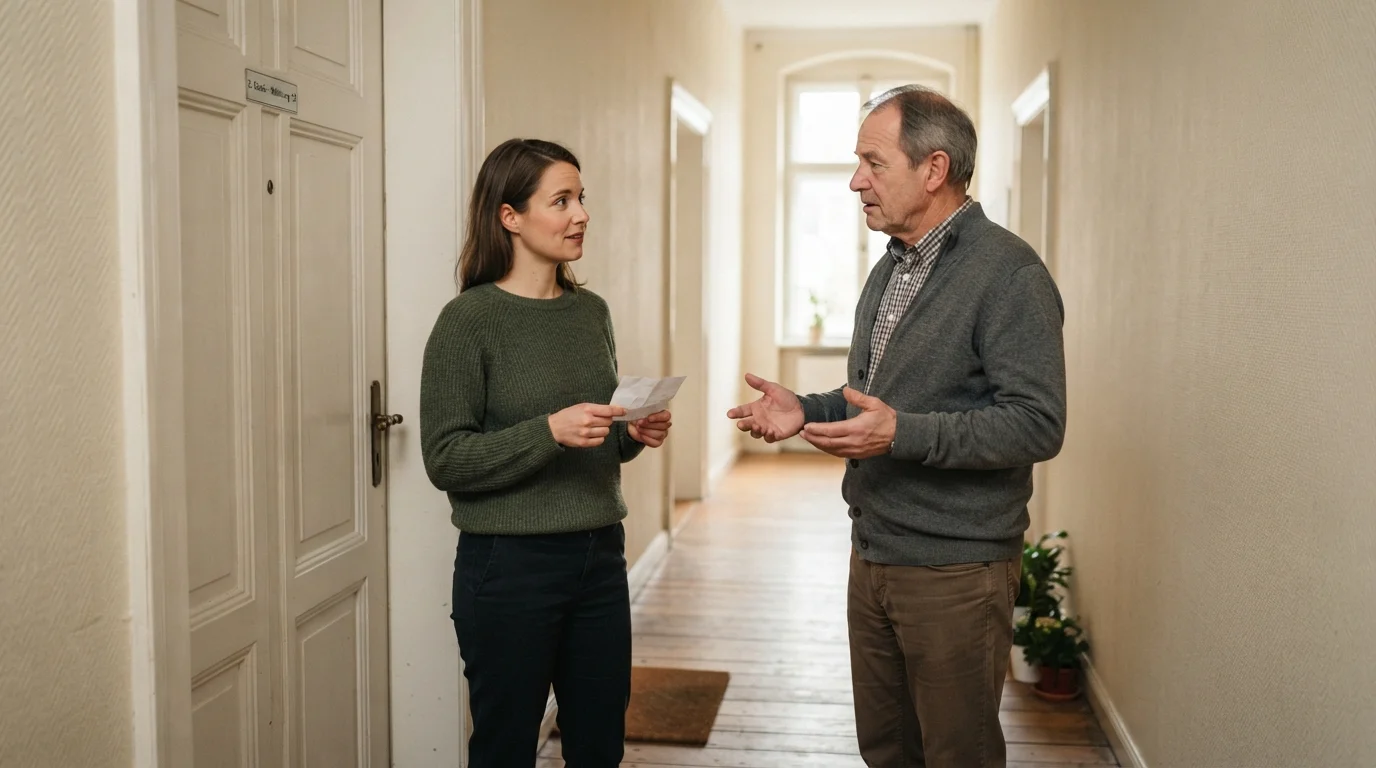
Moving to Germany means adapting to new social rules — and one of the most common sources of tension is noise. Whether you live in a shared flat (WG), a quiet Mietwohnung, or a lively neighborhood, understanding how to handle a noise complaint (Ruhestörung) is essential. This article gives practical, step-by-step advice tailored to people learning German, expats, and those preparing for integration exams. You’ll also find useful phrases, legal basics, cultural tips, and resources to help you resolve conflicts calmly and confidently.
Ruhestörung literally means "disturbance of peace" and covers excessive noise that interferes with daily life or sleep. In Germany, noise rules combine law, local Hausordnung (house rules), and community norms. Quiet hours (Ruhezeiten) typically include the afternoon "quiet time" (Mittagsruhe) in some regions and the night period from 10 pm to 6 am. Many cities also observe Sunday and public holiday quiet rules. Legal enforcement can range from mediation to fines or police involvement in extreme cases.
For authoritative legal background, you can consult the German-language legal overview on Wikipedia. For specific municipal regulations, check your city’s official website or local Ordnungsamt.
Ruhestörung is an unlawful disturbance of domestic or public peace caused by avoidable, excessive noise that substantially impairs someone's well-being or rest. Under Section 117 of the Act on Regulatory Offences (OWiG), causing unreasonable or unpreventable noise that annoys the public or affects neighborhood health is classified as an administrative offense (Ordnungswidrigkeit). German jurisprudence distinguishes between day-to-day living noises (sozialadäquate Geräusche)—such as showering at night, walking normally on floorboards, or infant crying—and illicit noise, which includes loud sound systems, drilling walls outside permitted times, and raucous late-night parties.
Statutory quiet hours (Ruhezeiten) apply nationwide, though precise schedules are defined by state emission protection laws (Landes-Immissionsschutzgesetze) and municipal ordinances:
Just like winter residential obligations such as snow clearing duties (Streupflicht), observing Ruhezeiten is a core contractual responsibility for anyone leasing an apartment in Germany. Alongside building security rules like managing flat access and securing key insurance for rental properties, adhering to sound rules forms the bedrock of peaceful cohabitation in German apartment blocks.
Reacting well matters. Germans value directness but also respect and calmness. Follow these practical steps:
Take a breath. Let the neighbor explain the problem. Listening reduces tension and shows respect. Don’t interrupt or raise your voice.
Even if you think the complaint is unfair, a short apology goes a long way: "Es tut mir leid, ich werde leiser sein." This simple sentence often resolves the issue quickly and is a great phrase to memorize for integration exams.
Propose concrete actions: lower the volume, move the music to another room, end the party by a specific hour, or use headphones. People appreciate clear timelines: "In zehn Minuten sind wir leiser."
Handy phrases to keep in your pocket:
If calm conversation doesn’t work, take these steps:
The Mietvertrag and the building's Hausordnung often list quiet hours and rules about parties or renovations. If you aren’t sure, ask your landlord or property manager. Having a copy helps when explaining your side or proposing compromises.
Keep a log of dates and times when noise complaints happen and what you did in response. If you ever need to involve authorities, documentation supports your case.
If a neighbor repeatedly calls you out or complains to the landlord, contact the property manager and explain your perspective. If you are making changes (like renovation), get written permission and follow permitted times.
Many cities offer free or low-cost mediation services (Schlichtungsstelle) for neighbor disputes. A neutral mediator helps both parties find a workable compromise before legal steps are necessary.
Emergency situations or persistent, late-night disturbances that violate quiet hours may warrant a call to the police (Polizei). But in many cases, neighbors would prefer to resolve issues together first.
You can call the police on 110 for a noise complaint in Germany if there is an acute, unreasonable noise disturbance during statutory quiet hours (typically 22:00 to 06:00) and personal attempts to resolve the issue have failed or seem unsafe. While the emergency number 110 is primarily designed for urgent matters, German police dispatch centers routinely handle nighttime Ruhestörung reports when the local regulatory office (Ordnungsamt) is closed.
Knowing which authority to contact depends on the time of day and the urgency of the disruption:
Before involving law enforcement, always make sure the noise genuinely violates the statutory night quiet period (Nachtruhe) or terms outlined in the building's contractual rules. You can review standard rental obligations in our detailed German Hausordnung guide.
When officers respond to a noise complaint in a German apartment complex or neighborhood, they generally follow a graduated approach:
Calling the police in German can feel intimidating, but dispatchers only need a few specific details. You can state your name, your address, the exact location of the noise source, and the nature of the disturbance. Here are standard phrases to use:
A noise complaint in Germany is a formal grievance submitted to a landlord, the property management (Hausverwaltung), or public authorities like the Ordnungsamt regarding persistent sound disturbances. If polite conversations do not resolve the disturbance, German rental law requires tenants to follow a structured procedure before they can demand landlord intervention or legal rent reductions (Mietminderung).
To substantiate a noise complaint in German tenancy law, courts expect a written log (Lärmprotokoll). You should record disturbances over a period of at least two to four weeks. A legally sound log must specify:
A precise log provides objective evidence if your landlord issues a written warning (Abmahnung) to the offending tenant or if disputes require third-party legal representation.
Once you have compiled an initial log, send a formal notification (Mängelanzeige) to your landlord in writing, citing your right to undisturbed possession under Section 535 of the German Civil Code (BGB). Demand that the landlord issue a formal cease-and-desist warning (Abmahnung) to the offending neighbor within a reasonable deadline (typically two weeks). If the noise source originates outside your rental building—such as from a noisy commercial venue or continuous street work—file the noise complaint directly with your municipal Ordnungsamt or local environmental agency.
Proactive habits reduce friction with neighbors and build better relationships. Try these actionable tips:
Learning these words will help you communicate more effectively and feel more confident during a complaint or conversation:
Practice these lines: "Entschuldigung, ich habe Sie gestört. Ich werde sofort leiser." Repeat and role-play these phrases to build fluency.
Learning the right phrases and practicing them makes a real difference. Language apps that combine conversation practice, pronunciation feedback, and scenario-based dialogues are ideal. For example, Bretzi offers AI-powered personalized learning plans, real-life German conversation practice with AI, and pronunciation training with instant feedback, which can help you prepare for polite neighbor conversations and integration exams without stress.
Certain noise sources require specific approaches:
Receiving a written warning from your landlord or another formal notice is more serious. Respond promptly:
Noise complaints can be stressful, but they’re also an opportunity to practice polite German, strengthen community ties, and learn local norms. Use calm communication, practical prevention strategies, and documentation. If you want to get comfortable with the words and phrases ahead of a tricky conversation, practice with tools that simulate real-life interactions. Bretzi’s interactive dialogue games and article mastery exercises can help you feel confident when talking to neighbors or preparing for integration exams.
Take action today: review your house rules, learn a few key phrases, and plan one small change (like buying a rug or setting a quiet-hour reminder). Handling Ruhestörung well will make your home life in Germany more peaceful and help you integrate smoothly into your community.
If you’d like tailored practice, try practicing neighbor conversation scenarios and pronunciation with Bretzi’s AI-driven lessons. Start today and build the confidence to handle Ruhestörung calmly and politely.
Rules, fees and dates change. Check the current version on the official pages before you act.
Share this article:
A Summer Guide to German Lakes (Baggersee): Etiquette, Rules & Practical Tips Summer in Germany means sunshine, outdoor cafes, and for many locals...
Read moreWhat is "Schufa" and Why It Matters for Expats Moving to Germany means learning a lot: the language, local customs, and practical systems like...
Read moreWelcome to Germany, the Land of Rules (and Happy Dogs!) Germany is an incredibly dog-friendly country. Walk through any German park, forest, or city...
Read more