Ruhezeit in Germany: Sunday Quiet Hours & House Rules Guide
You have just finished completing your Anmeldung, unpacked the last moving boxes on a sunny Sunday afternoon, and decided it is the perfect time to...
Read more
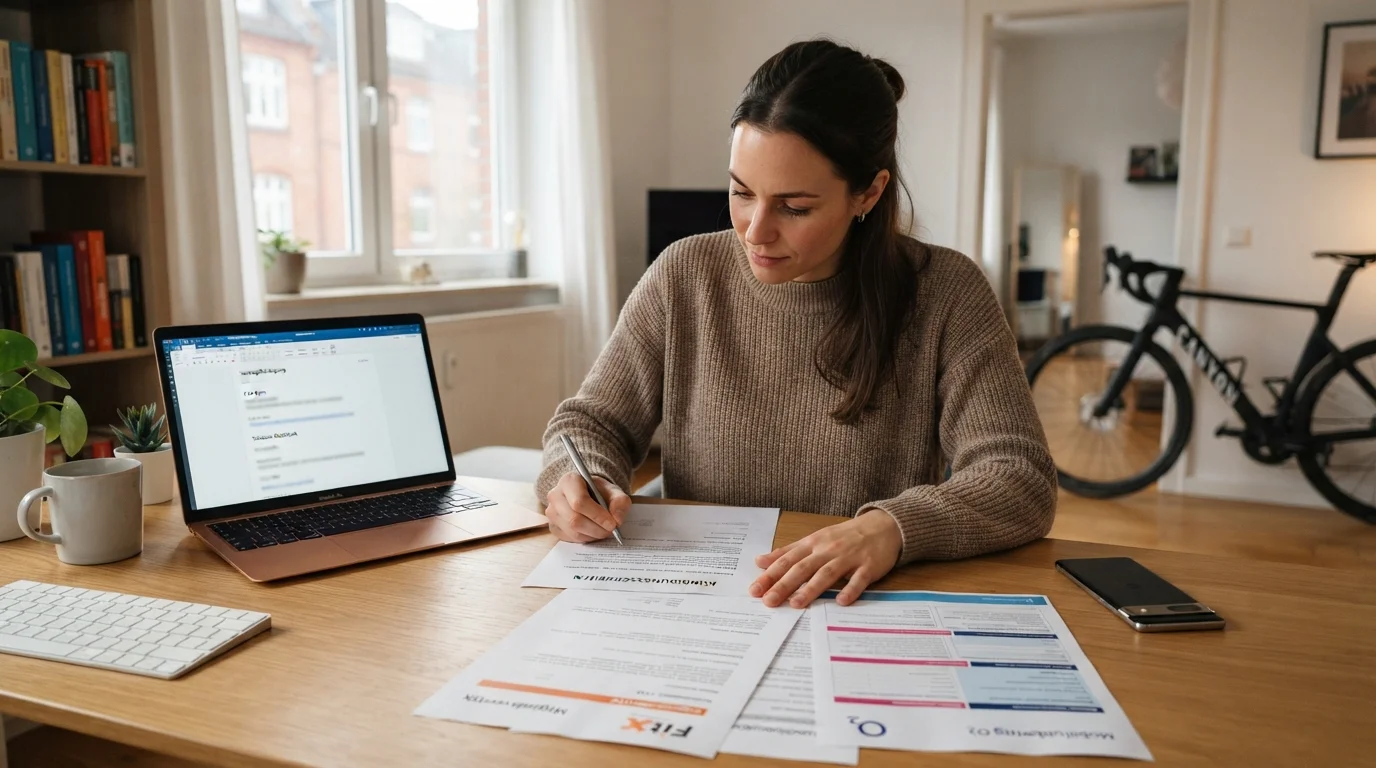
If you live in Germany, there is a specific moment of the year that unites expats and locals in a shared sense of anxiety: the arrival of the annual Nebenkostenabrechnung (utility bill adjustment). This document, which often arrives in a formal letter from your landlord, details the actual costs of running your building over the past calendar year compared to the monthly prepayments you have made. It can result in a pleasant surprise—a refund (Guthaben)—or, more commonly for unsuspecting expats, a hefty demand for back-payment (Nachzahlung) reaching into hundreds of euros.
Navigating the German rental market is challenging enough. Once you have settled into your apartment, registered your address (Anmeldung), and perhaps even figured out how to find an English-speaking pediatrician in Germany for your family, dealing with administrative paperwork like the utility statement is the next major milestone. Understanding this document is not just about saving money; it is about protecting your rights as a tenant in a country known for its strict bureaucracy.
In this comprehensive guide, we will break down the complex world of German utility bills, decode the daunting vocabulary, explain what your landlord can and cannot legally charge you, and show you how to identify common errors. Let us demystify the Nebenkostenabrechnung once and for all.
To understand the utility bill adjustment, you first need to understand how rent is structured in Germany. When you sign a rental contract (Mietvertrag), you will see two distinct figures:
The monthly utility payment you make is merely an estimate (Vorauszahlung). At the end of the billing period (usually a 12-month cycle), your landlord is legally obligated to calculate the actual costs incurred by your household. If your actual usage was lower than your prepayments, you are owed a refund. If your usage was higher, you must pay the difference. Understanding energy consumption is particularly vital when managing your heating in winter or staying cool during summer—for tips on the latter, check out our guide on surviving a German heatwave.
German utility bills are notoriously dense, filled with compound nouns that can make even advanced language learners scratch their heads. If you are preparing for integration exams or simply trying to survive daily life in Germany, mastering this terminology is essential. Here are the most critical terms you will encounter:
Learning these highly specific terms can feel overwhelming. This is where the Bretzi app becomes an invaluable tool. With Bretzi’s vocabulary builder utilizing spaced repetition and specialized lessons on German life and customs, you can master real-world vocabulary that directly impacts your wallet. You can even use Bretzi’s real-life German conversation practice with AI to roleplay a conversation with a landlord, helping you build the confidence to ask questions about your bill in fluent German.
Landlords cannot simply throw any expense they want into the Nebenkostenabrechnung. German law is very specific about what constitutes "allowable operating costs" (Betriebskosten) under the German Operating Costs Ordinance (Betriebskostenverordnung - BetrKV).
The following expenses are generally allowed to be passed on to the tenant, provided they are explicitly agreed upon in your rental contract:
This is where landlords frequently make mistakes (either accidentally or intentionally). You should carefully check your bill to ensure the following items are not listed:
If you enjoy your summer, perhaps planning a weekend barbecue using our guide on how to rent a grill area in Germany, the last thing you want is a surprise bill charging you for the landlord's administrative fees. Keep a close eye on these categories!
In Germany, deadlines are legally binding and strictly enforced. Both you and your landlord must adhere to specific timelines regarding the utility bill.
Your landlord has exactly 12 months from the end of the billing period to present you with the Nebenkostenabrechnung. For example, if the billing period is from January 1, 2022, to December 31, 2022, the landlord must ensure the bill reaches you by December 31, 2023, at the very latest.
If the bill arrives on January 2, 2024, and it demands a Nachzahlung (back-payment), you do not have to pay it. The landlord has missed the legal deadline (Ausschlussfrist) and loses their right to claim additional money from you. However, if the late bill indicates a Guthaben (refund), you are still legally entitled to receive your refund. The only exception is if the landlord can prove they were not responsible for the delay (for instance, if the local municipality delayed the tax assessment).
Once you receive the bill, you have 12 months to object to any errors (Einwendungsfrist). However, if you owe a back-payment, you cannot simply wait 12 months to pay. You are usually required to pay the demanded amount within 30 days of receiving the bill. If you suspect errors, it is standard practice to pay "under reservation" (unter Vorbehalt) in writing, so you do not fall into rent arrears while you investigate.
Do not just look at the final number and pay. Studies by tenant associations show that more than half of all German utility bills contain errors. Follow these steps to review your statement:
If you find an error, do not panic. German tenant laws are highly protective of renters. Here is how you should proceed:
First, write a formal letter of objection (Widerspruch) to your landlord. In this letter, point out the specific items you are disputing and request an explanation or corrected bill. It is vital to do this in writing (via registered mail, or Einschreiben) to have proof of receipt.
If your landlord is uncooperative, you should seek professional advice. The Deutscher Mieterbund (German Tenants' Association) is an excellent, highly authoritative resource with local chapters in almost every German city. For a reasonable annual membership fee, their legal experts will review your Nebenkostenabrechnung, write letters to your landlord on your behalf, and represent you in disputes.
Additionally, you can use the interactive dialogue games on the Bretzi app to practice discussing complex topics with a landlord or customer service agent. This interactive practice prepares you to handle real-world confrontations calmly and professionally, ensuring your German language skills match your legal knowledge.
Receiving a Nebenkostenabrechnung does not have to be a source of dread. By understanding the structure of German rent, knowing which costs are legally permissible, and keeping a close eye on deadlines, you can navigate this annual ritual with confidence. Remember, as an expat, you have the exact same legal rights as any German citizen.
The key to successfully managing your life in Germany—from disputing a utility bill to making friends and advancing your career—is mastering the language. Don't let bureaucratic paperwork intimidate you. Download the Bretzi app today to access structured German grammar lessons from A0 to C1, engage in real-life conversation practice with AI, and build the vocabulary you need to thrive in your new home.
Share this article:
You have just finished completing your Anmeldung, unpacked the last moving boxes on a sunny Sunday afternoon, and decided it is the perfect time to...
Read moreSigning a contract in Germany is notoriously easy—whether you are picking up a shiny new smartphone plan or joining a local fitness club. But when...
Read moreIf you have recently moved to Germany, your first trip to a local grocery store might feel less like a routine errand and more like an Olympic sport....
Read more