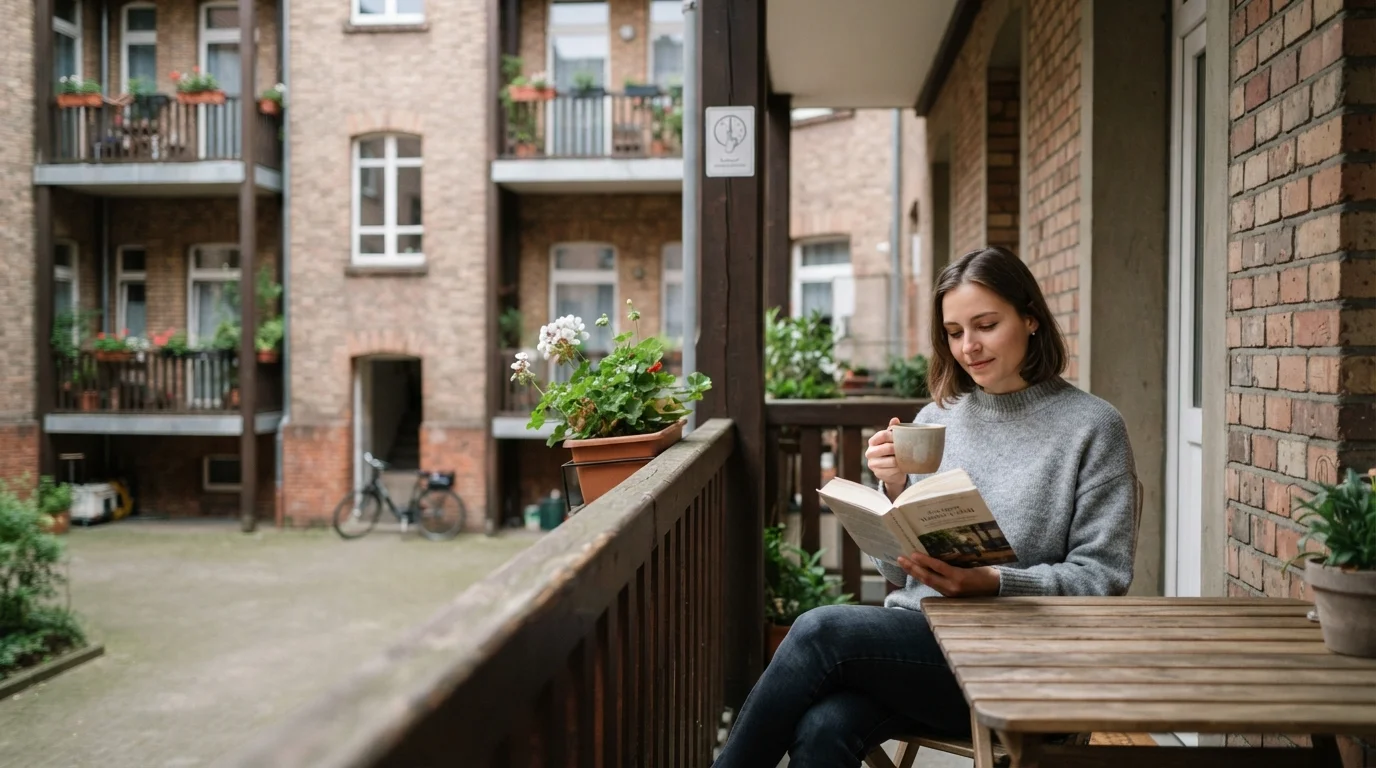
Ruhezeit in Germany: Sunday Quiet Hours & House Rules Guide
You have just finished completing your Anmeldung, unpacked the last moving boxes on a sunny Sunday afternoon, and decided it is the perfect time to...
Read more
This article was drafted by AI and edited by a person before it was published.
AI can get things wrong. For anything official, check the source it points to.
Moving to Germany means adapting to new social rules — and one of the most common sources of tension is noise. Whether you live in a shared flat (WG), a quiet Mietwohnung, or a lively neighborhood, understanding how to handle a noise complaint (Ruhestörung) is essential. This article gives practical, step-by-step advice tailored to people learning German, expats, and those preparing for integration exams. You’ll also find useful phrases, legal basics, cultural tips, and resources to help you resolve conflicts calmly and confidently.
Ruhestörung literally means "disturbance of peace" and covers excessive noise that interferes with daily life or sleep. In Germany, noise rules combine law, local Hausordnung (house rules), and community norms. Quiet hours (Ruhezeiten) typically include the afternoon "quiet time" (Mittagsruhe) in some regions and the night period from 10 pm to 6 am. Many cities also observe Sunday and public holiday quiet rules. Legal enforcement can range from mediation to fines or police involvement in extreme cases.
For authoritative legal background, you can consult the German-language legal overview on Wikipedia. For specific municipal regulations, check your city’s official website or local Ordnungsamt.
Reacting well matters. Germans value directness but also respect and calmness. Follow these practical steps:
Take a breath. Let the neighbor explain the problem. Listening reduces tension and shows respect. Don’t interrupt or raise your voice.
Even if you think the complaint is unfair, a short apology goes a long way: "Es tut mir leid, ich werde leiser sein." This simple sentence often resolves the issue quickly and is a great phrase to memorize for integration exams.
Propose concrete actions: lower the volume, move the music to another room, end the party by a specific hour, or use headphones. People appreciate clear timelines: "In zehn Minuten sind wir leiser."
Handy phrases to keep in your pocket:
If calm conversation doesn’t work, take these steps:
The Mietvertrag and the building's Hausordnung often list quiet hours and rules about parties or renovations. If you aren’t sure, ask your landlord or property manager. Having a copy helps when explaining your side or proposing compromises.
Keep a log of dates and times when noise complaints happen and what you did in response. If you ever need to involve authorities, documentation supports your case.
If a neighbor repeatedly calls you out or complains to the landlord, contact the property manager and explain your perspective. If you are making changes (like renovation), get written permission and follow permitted times.
Many cities offer free or low-cost mediation services (Schlichtungsstelle) for neighbor disputes. A neutral mediator helps both parties find a workable compromise before legal steps are necessary.
Emergency situations or persistent, late-night disturbances that violate quiet hours may warrant a call to the police (Polizei). But in many cases, neighbors would prefer to resolve issues together first.
You can call the police on 110 for a noise complaint in Germany if there is an acute, unreasonable noise disturbance during statutory quiet hours (typically 22:00 to 06:00) and personal attempts to resolve the issue have failed or seem unsafe. While the emergency number 110 is primarily designed for urgent matters, German police dispatch centers routinely handle nighttime Ruhestörung reports when the local regulatory office (Ordnungsamt) is closed.
Knowing which authority to contact depends on the time of day and the urgency of the disruption:
Before involving law enforcement, always make sure the noise genuinely violates the statutory night quiet period (Nachtruhe) or terms outlined in the building's contractual rules. You can review standard rental obligations in our detailed German Hausordnung guide.
When officers respond to a noise complaint in a German apartment complex or neighborhood, they generally follow a graduated approach:
Calling the police in German can feel intimidating, but dispatchers only need a few specific details. You can state your name, your address, the exact location of the noise source, and the nature of the disturbance. Here are standard phrases to use:
Proactive habits reduce friction with neighbors and build better relationships. Try these actionable tips:
Learning these words will help you communicate more effectively and feel more confident during a complaint or conversation:
Practice these lines: "Entschuldigung, ich habe Sie gestört. Ich werde sofort leiser." Repeat and role-play these phrases to build fluency.
Learning the right phrases and practicing them makes a real difference. Language apps that combine conversation practice, pronunciation feedback, and scenario-based dialogues are ideal. For example, Bretzi offers AI-powered personalized learning plans, real-life German conversation practice with AI, and pronunciation training with instant feedback, which can help you prepare for polite neighbor conversations and integration exams without stress.
Certain noise sources require specific approaches:
Receiving a written warning from your landlord or another formal notice is more serious. Respond promptly:
Noise complaints can be stressful, but they’re also an opportunity to practice polite German, strengthen community ties, and learn local norms. Use calm communication, practical prevention strategies, and documentation. If you want to get comfortable with the words and phrases ahead of a tricky conversation, practice with tools that simulate real-life interactions. Bretzi’s interactive dialogue games and article mastery exercises can help you feel confident when talking to neighbors or preparing for integration exams.
Take action today: review your house rules, learn a few key phrases, and plan one small change (like buying a rug or setting a quiet-hour reminder). Handling Ruhestörung well will make your home life in Germany more peaceful and help you integrate smoothly into your community.
If you’d like tailored practice, try practicing neighbor conversation scenarios and pronunciation with Bretzi’s AI-driven lessons. Start today and build the confidence to handle Ruhestörung calmly and politely.
Share this article:
You have just finished completing your Anmeldung, unpacked the last moving boxes on a sunny Sunday afternoon, and decided it is the perfect time to...
Read moreSigning a contract in Germany is notoriously easy—whether you are picking up a shiny new smartphone plan or joining a local fitness club. But when...
Read moreIf you have recently moved to Germany, your first trip to a local grocery store might feel less like a routine errand and more like an Olympic sport....
Read more