
Cancel Gym & Phone Contracts in Germany: Rules & Templates
Signing a contract in Germany is notoriously easy—whether you are picking up a shiny new smartphone plan or joining a local fitness club. But when...
Read more
This article was written by AI and published by Bretzi.
AI can get things wrong. For anything official, check the source it points to.
AI-generated image
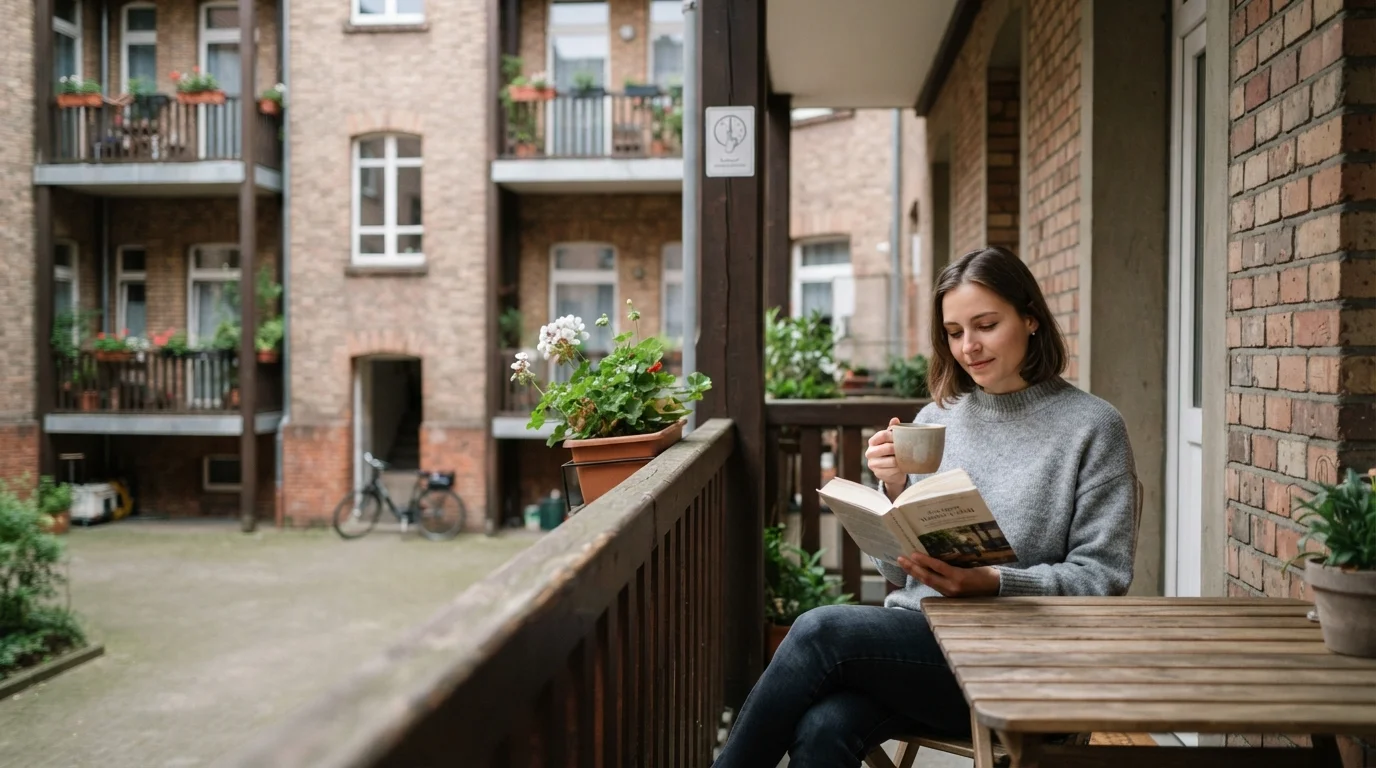
You have just finished completing your Anmeldung, unpacked the last moving boxes on a sunny Sunday afternoon, and decided it is the perfect time to mount your new living room bookshelf. You plug in your power drill, press the trigger against the concrete wall, and within forty-five seconds, an enraged neighbor is pounding violently on your front door. Welcome to Germany—and welcome to the sacred institution known as Ruhezeit.
For newcomers, expats, and international students living in Germany, navigating local apartment life can feel like stepping into an invisible legal minefield. Alongside strict rules for German waste sorting (Mülltrennung) and seasonal regulations for managing your heating and Heizkosten, the German concept of quiet hours (Ruhezeiten) is one of the most rigorously enforced social norms in the country.
In this comprehensive guide, we will break down everything you need to know about Sunday quiet hours, night quiet periods, apartment building rules (Hausordnung), legal consequences of noise disturbances, and essential German vocabulary so you can stay on great terms with your neighbors.
In Germany, peace and quiet are not simply personal preferences—they are legally protected rights. Ruhezeit (literally "rest time" or "quiet time") refers to designated hours during which residents are legally required to keep noise levels down to protect the well-being and health of the community.
The legal framework governing noise protection stems from several levels of German law:
The overarching rule of thumb during any quiet period is Zimmerlautstärke (room volume). This means sound should not travel beyond the boundaries of your own four walls or noticeably disturb your immediate neighbors.
While specific times can vary slightly depending on your municipality and rental agreement, the standard schedule across Germany is structured as follows:
Standard time: 22:00 to 06:00 or 07:00 (Every day)
From 10:00 PM onwards, general quiet hours apply across the entire country. During Nachtruhe, you must cease all noisy activities. This applies Monday through Sunday without exception.
Standard time: All day (00:00 to 24:00)
Sundays and official German public holidays (gesetzliche Feiertage) are considered whole-day periods of rest. Under the German constitution (Grundgesetz, Article 140), Sundays are designated as days of work rest and spiritual elevation (Tage der Arbeitsruhe und der seelischen Erhebung). As a result, almost all retail stores are closed, and residential areas must remain peaceful throughout the entire day.
Standard time: 13:00 to 15:00 (Variable)
Unlike Nachtruhe and Sunday rest, statutory afternoon quiet hours have been largely phased out of state-level laws over recent decades. However, many landlords still incorporate a mandatory Mittagsruhe into the building's Hausordnung. Additionally, operating loud garden machinery (like leaf blowers or lawn mowers) may still be restricted during early afternoons by municipal bylaws.
Understanding the boundary between normal living sounds (sozialadäquate Geräusche) and unlawful noise disturbances (Ruhestörung) is critical to avoiding disputes with your Vermieter (landlord) or neighbors.
Life happens—you will occasionally need to move apartments, carry out renovations, or celebrate a birthday. How do Germans handle this without sparking neighborhood wars?
The golden rule of German apartment etiquette is proactive communication. If you are hosting a social gathering or undergoing loud renovations on a Saturday, hang a friendly note in the building hallway (Hausflur) or on the communal bulletin board (Schwarzes Brett) at least 3 to 5 days in advance.
A standard polite notice includes:
While an announcement does not technically grant legal immunity against noise complaints, it dramatically increases neighborly goodwill and drastically reduces the chances of someone calling the police.
If you want to feel confident writing polite notes or speaking directly to your neighbors in German, the Bretzi app offers interactive dialogue games and real-life AI conversation practice tailored to authentic daily situations, helping you master neighborly etiquette and essential phrases with instant feedback.
Ignoring noise rules in Germany can lead to an escalating ladder of formal consequences:
To help you navigate your tenancy agreement and everyday conversations, here are the key German terms you should know:
With Bretzi's spaced-repetition vocabulary trainer and A0 to C1 grammar lessons, you can seamlessly integrate practical German housing terms into your long-term memory while preparing for real-world integration exams.
Living in Germany means embracing a culture that deeply values quiet, predictable downtime. By respecting Ruhezeit, you ensure a calm home environment for yourself and build enduring, friendly relationships with the people sharing your building.
Share this article:
Signing a contract in Germany is notoriously easy—whether you are picking up a shiny new smartphone plan or joining a local fitness club. But when...
Read moreIf you have recently moved to Germany, your first trip to a local grocery store might feel less like a routine errand and more like an Olympic sport....
Read moreYou have just arrived in Germany, completed your official address registration, unpacked your boxes, and started settling into your new life. Then, a...
Read more