German Ausbildung Guide: Vocational Training for Expats
When planning a career move to Germany, most international professionals immediately think of university degrees or direct corporate hiring. However,...
Read more
This article was drafted by AI and edited by a person before it was published.
AI can get things wrong. For anything official, check the source it points to.
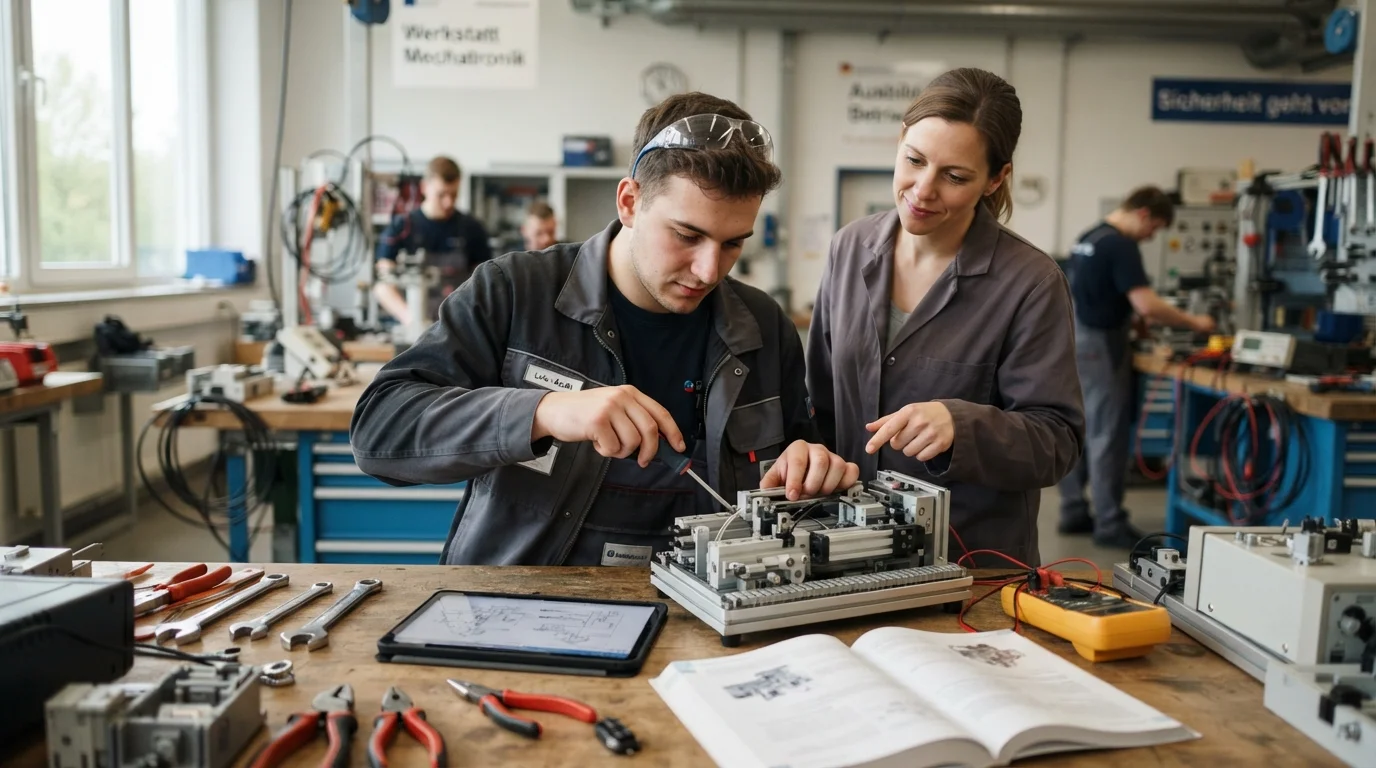
AI-generated image

Germany is currently experiencing one of the most substantial tech talent shortages in Europe. From booming AI startups in Berlin to cloud architecture departments in Munich and enterprise fintech firms in Frankfurt, thousands of companies are actively competing for international software engineers, product managers, DevOps specialists, and data scientists. The best part? A massive portion of these high-paying roles operate entirely in English.
However, landing one of these positions requires knowing exactly where to look, how to navigate German recruitment platforms, and how to position your profile against global competition. In this comprehensive guide, we will break down the top job boards for English-speaking tech roles in Germany, explore key regional tech hubs, outline visa pathways, and discuss why learning even conversational German can supercharge your career trajectory.
Germany has steadily transformed into a prime destination for global tech professionals. Supported by initiatives from the German government to attract skilled labor—documented officially on portal sites like Make it in Germany—the country has modernized its immigration policies to accommodate non-EU developers and specialists.
While traditional German mid-sized companies (the famous Mittelstand) often conduct internal business in German, modern tech startups, international scale-ups, and multinational corporations have adopted English as their working language. Teams are multicultural, sprint planning happens in English, and pull requests are reviewed in English. If you have the technical skills, the language barrier inside the office is often virtually nonexistent.
Generic job boards often drown English speakers in German-only job descriptions. To save time and target the right employers, focus your job hunt on these specialized platforms.
In the tech industry, reverse recruiting platforms flip the traditional application model upside down: companies apply to you instead of the other way around.
Mainstream job boards host tens of thousands of German listings, but you must know how to filter them effectively:
Software Engineer "English" or Frontend Developer "working language English" reveals enterprise roles at companies like SAP, Siemens, Bosch, and BMW that are not listed on smaller startup boards.Germany's economy is decentralized, meaning tech opportunities are not concentrated in a single capital city. Depending on your industry niche and lifestyle preferences, different regions offer distinct advantages:
Berlin is Germany's most international city. It boasts thousands of startups, tech incubators, and major engineering offices for international giants like Amazon, Delivery Hero, Zalando, and N26. English is the default everyday language in the central districts, making it the easiest landing pad for international tech professionals.
Munich is home to German industrial titans (BMW, Siemens, Allianz) as well as European engineering headquarters for Google, Apple, and Microsoft. Salaries in Munich are generally higher than in Berlin, although the cost of living—particularly housing—is also significantly higher. Roles here often focus on cloud infrastructure, embedded systems, robotics, and enterprise B2B software.
As the financial heart of continental Europe and home to the European Central Bank, Frankfurt offers rich opportunities for developers and data engineers specializing in fintech, algorithmic trading platforms, blockchain, and regulatory cybersecurity systems.
Hamburg is a powerhouse for aviation (Airbus), logistics tech, gaming studios (InnoGames, Goodgame), and digital media. The Rhine-Ruhr region (Cologne, Düsseldorf) offers massive enterprise consulting, telecommunications, and digital retail opportunities.
Germany has made significant administrative strides to welcome foreign technical talent. When applying for tech roles, familiarizing yourself with visa routes gives you confidence during recruiter screening calls:
Even when applying for English-speaking tech positions, German hiring managers and recruiters expect clear, structured applications that conform to European standards.
German recruiters appreciate a clear, chronological structure that highlights your technical stack, project impact, and educational credentials. While English-speaking startups rarely require formal profile photos or marital status information, your CV should still adhere to modern European formatting standards. Learn how to structure yours properly by following our guide on how to write a German CV (Lebenslauf).
Tech interviews in Germany typically follow a three- to four-stage funnel: an initial recruiter screen, a technical coding interview or take-home assignment, a system architecture discussion with senior engineers, and a cultural fit interview. Understanding local professional etiquette, punctuality expectations, and direct communication styles will help you stand out. Check our insights on preparing for a German job interview to master the cultural nuances.
You might wonder: "If my job is 100% in English, do I really need to learn German?"
The short answer is: you don't need it to get hired, but learning German will transform your long-term success, salary ceiling, and integration inside and outside the workplace.
While coding and standups happen in English, informal conversations at the office coffee machine (Kaffeeküche), cross-departmental coordination with legal or operations teams, and company all-hands meetings often mix German and English. Being able to follow these conversations makes you an invaluable bridge within the organization.
Furthermore, if you ever decide to transition into executive management, technical consulting, or enterprise architecture at traditional German corporations, German language proficiency (B2/C1) unlocks salary brackets that purely English-speaking applicants cannot access.
Balancing full-time tech sprints with intensive language courses can be exhausting. That is why modern tools like Bretzi are designed specifically for busy professionals. Bretzi leverages AI-powered personalized learning plans that adapt to your schedule, letting you focus on practical, real-world communication rather than outdated textbook drills.
With Bretzi, you can practice real-life German conversations using conversational AI, test your technical vocabulary with spaced repetition, and receive instant feedback on your pronunciation before stepping into your next team meeting.
The German tech ecosystem is full of opportunity for ambitious engineers and digital experts. By leveraging the right platforms and embracing the local culture, you can launch a rewarding, international tech career in the heart of Europe.
Share this article:
When planning a career move to Germany, most international professionals immediately think of university degrees or direct corporate hiring. However,...
Read moreThe Expat Dilemma: Navigating the German Workplace Picture this: It is your first week at a German company. You walk into the kitchen to grab coffee,...
Read moreMastering the German Lebenslauf: Your Gateway to Working in Germany Securing a job in Germany is an exciting milestone, whether you are relocating...
Read more