Ruhezeit in Germany: Sunday Quiet Hours & House Rules Guide
You have just finished completing your Anmeldung, unpacked the last moving boxes on a sunny Sunday afternoon, and decided it is the perfect time to...
Read more
This article was written by AI and published by Bretzi.
AI can get things wrong. For anything official, check the source it points to.
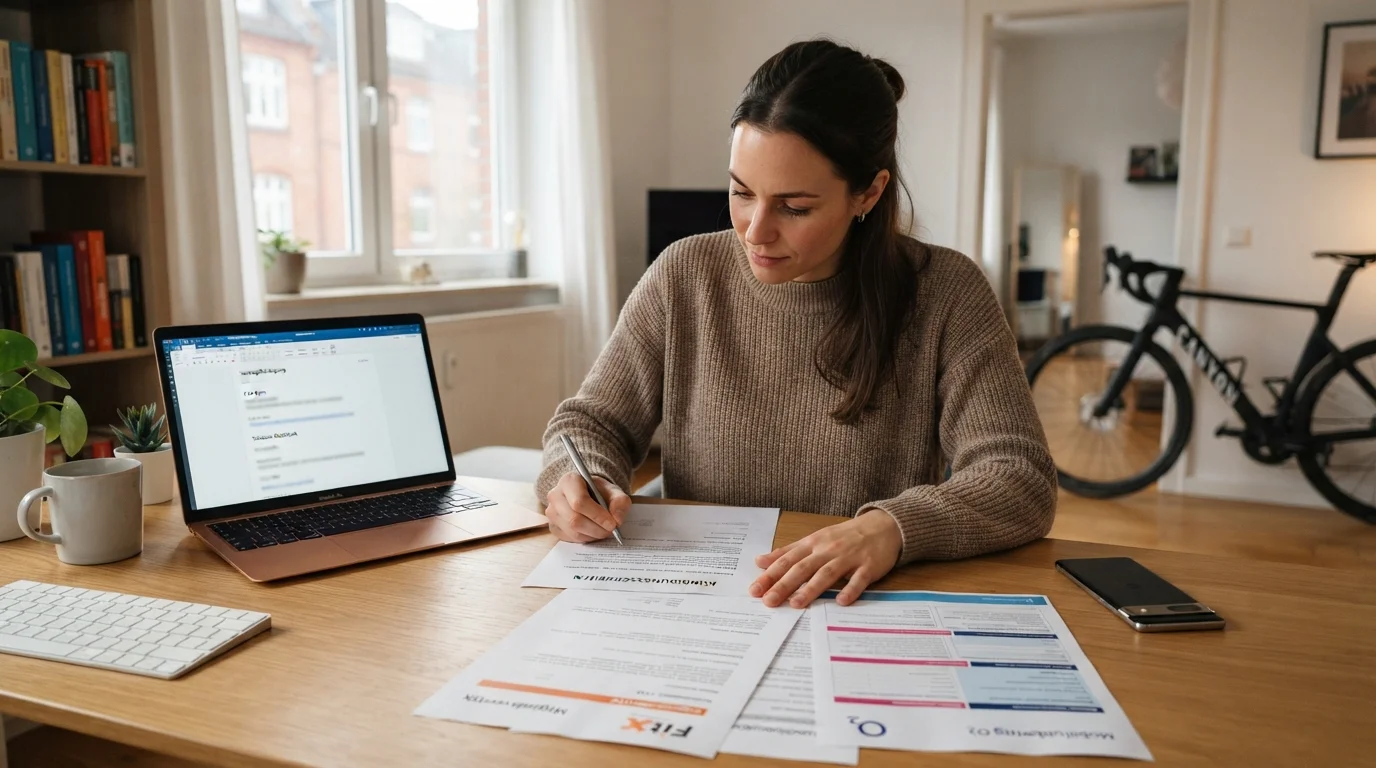
AI-generated image

Every year in September, Germany’s housing market experiences an unprecedented surge. Thousands of international students arrive for the upcoming Wintersemester, university graduates transition into full-time roles, and multinational companies relocate new hires. If you find yourself searching for an apartment during this autumn rental peak, you might feel like you are competing in an extreme sport. But with the right strategy, a polished application dossier, and confidence in your German communication, you can stand out from the crowd and secure a lease.
Germany’s rental market is notoriously competitive year-round, particularly in major cities like Berlin, Munich, Hamburg, Cologne, and Frankfurt. However, September marks the absolute apex of rental demand for several distinct reasons:
According to data from the German Tenants' Association (Deutscher Mieterbund), popular metropolitan areas regularly see hundreds of inquiries within hours of a listing going live during peak season. Recognizing this intense competition is the first step toward building an effective hunting strategy.
German landlords (Vermieter) and property managers (Hausverwaltungen) prize predictability, financial stability, and bureaucratic order. When fifty people message a landlord in one afternoon, the landlord will filter candidates using a complete rental application folder (Bewerbungsmappe). Arriving without complete paperwork will almost guarantee you are passed over.
Pro Tip: Combine all these files into a single, well-organized PDF with a professional cover page and table of contents. Store it on cloud storage so you can email it within seconds of attending a viewing.
Relying solely on free search portals and standard notifications in September will leave you perpetually behind. Here are proactive strategies to gain an unfair advantage:
Platforms like ImmobilienScout24 offer premium tiers (such as MieterPlus) that let landlords see your application before standard applicants. In high-demand cities during September, landlords often close message inboxes after receiving 50 applications. Premium notifications give you the speed required to get onto the shortlist.
Everyone wants to live in central, trendy neighborhoods like Berlin-Kreuzberg, Munich-Schwabing, or Cologne-Ehrenfeld. During September, expand your search to outer districts (Außenbezirke) or commuter towns connected by regional trains (S-Bahn or Regionalbahn). Commuting 25 minutes on a train is vastly preferable to remaining homeless or paying exorbitant hotel rates.
Do not expect to step off the plane in September and immediately sign an unfurnished long-term lease. Secure a 2- to 3-month furnished rental via platforms like Wunderflats, HousingAnywhere, or a temporary sublet on WG-Gesucht. This gives you a registered address and breathing room to view long-term apartments throughout October and November when the frenzy cools down.
Many available apartments never reach commercial portals. Inform colleagues, university message boards, local Facebook expat groups, and LinkedIn connections that you are actively searching. German landlords frequently prefer renting to personal referrals over anonymous portal applicants.
While many landlords in major cities speak basic English, German landlords overwhelmingly favor tenants who make an effort to communicate in German. Showing that you understand tenancy terms demonstrates cultural competence and reliability.
If you want to ace these high-stakes viewing conversations, you can use the Bretzi app to practice real-life German dialogues with AI. Bretzi provides interactive scenario simulations where you can practice introducing yourself to a landlord, asking smart questions about utility charges, and discussing moving dates with instant pronunciation feedback.
An apartment viewing (Besichtigung) in Germany is essentially a job interview for your living space. Follow these rules to make a lasting positive impression:
Once you are awarded the lease and have signed your tenancy agreement, several critical post-move obligations begin immediately:
Securing a lease during Germany's peak autumn rental window is challenging, but entirely feasible when approached methodically. Assemble a comprehensive Bewerbungsmappe before you start inquiring, use real-time alerts, broaden your target geographic radius, and bridge the initial gap with temporary housing if necessary.
Above all, remember that communicating confidently in German can set you apart from dozens of other applicants. Download the Bretzi app today to build specialized housing vocabulary, conquer German grammar from A1 to C1, and gain the conversational confidence needed to impress your future German landlord.
Share this article:
You have just finished completing your Anmeldung, unpacked the last moving boxes on a sunny Sunday afternoon, and decided it is the perfect time to...
Read moreSigning a contract in Germany is notoriously easy—whether you are picking up a shiny new smartphone plan or joining a local fitness club. But when...
Read moreIf you have recently moved to Germany, your first trip to a local grocery store might feel less like a routine errand and more like an Olympic sport....
Read more