German Mold Prevention Rules: Lüften Guide for Tenants
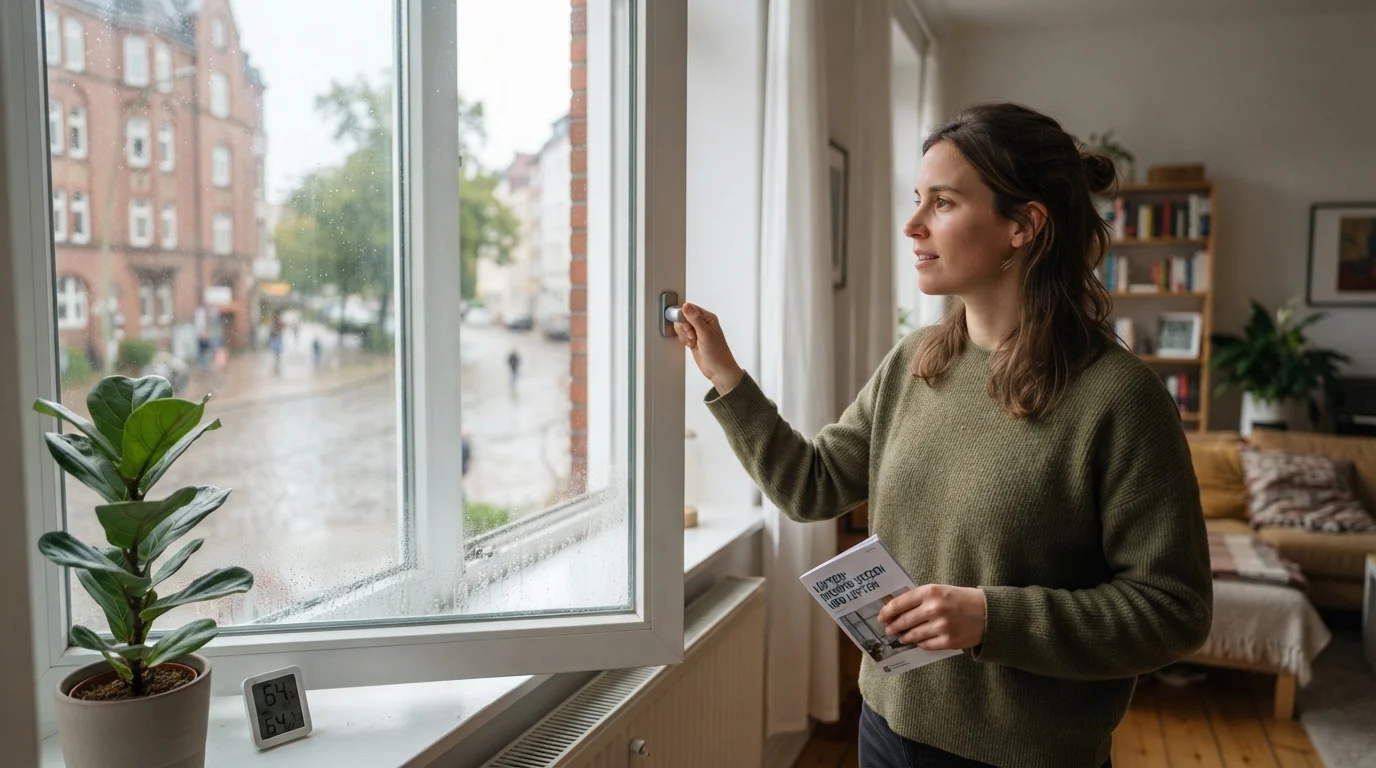
If you have recently moved into an apartment in Germany, you might have noticed a recurring topic of intense passion among German landlords,...
Read more
This article was written by AI and published by Bretzi.
AI can get things wrong. For anything official, check the source it points to.
AI-generated image

Securing an appointment at the local Bürgeramt (also called Bürgerbüro or Kundenzentrum depending on your federal state) has long been considered an unofficial rite of passage for anyone relocating to or moving within Germany. In autumn 2026, the challenge intensifies: university winter semesters kick off in October, seasonal employment shifts occur, and thousands of newcomers find themselves competing for the same elusive slots.
Whether you need to register your new apartment address (Anmeldung), apply for a driver's licence conversion, or update official paperwork, navigating the appointment system requires patience, strategy, and a working knowledge of administrative German. This step-by-step guide walks you through how to book your appointment in autumn 2026, which documents to prepare, and how to handle your visit with confidence.
While appointment shortages can occur year-round in major metropolises like Berlin, Munich, Frankfurt, Hamburg, and Cologne, autumn is notoriously busy. The German academic winter semester begins officially on 1 October, bringing tens of thousands of international and domestic students into major university towns. Simultaneously, companies complete post-summer onboarding cycles, creating a surge of new residents who must complete their address registration within the statutory two-week window (Anmeldefrist).
Under section 17 of the German Federal Act on Registration (Bundesmeldegesetz), residents are legally obligated to register within two weeks of moving into a new residence. Municipalities know that booking delays occur, so as long as you have booked an appointment—even if the date is weeks away—you are generally protected from fines, provided you can present proof of booking.
Waiting for the online booking portal to display open dates weeks in advance often leads to frustration. Instead, savvy residents use targeted methods to find short-notice cancellations and recently released slots.
Most municipal booking systems (such as the Berlin Service-Portal or Munich's Bürgerbüro portal) release returned appointments and daily standby slots early in the morning. Between 7:30 AM and 8:15 AM on weekdays, citizens cancel appointments they cannot attend, and administrative clerks unlock same-day emergency capacity. Refreshing the portal consistently during this window remains the most reliable digital method.
Many newcomers assume they must visit the Bürgeramt located physically within their own neighbourhood. In most German cities, this is a misconception: you can handle general registration, passport issues, and certified copies at almost any municipal office within the city boundaries. If offices in central neighbourhoods are booked out, search for locations in outer districts or neighbouring suburban administrative hubs.
Germany's public administration hotline, 115, connects you directly to civil service operators across participating cities and federal regions. Operators often have access to internal booking calendars and emergency quotas that do not appear immediately on public web portals. When calling, have your calendar ready and be prepared to speak basic German or ask politely if English is available: "Guten Tag, ich suche kurzfristig einen Termin zur Wohnsitzanmeldung."
If your visa deadline, job start, or health insurance activation depends on obtaining an official registration certificate immediately, look for the contact form or emergency email address (often listed as Notfalltermine) on your local authority's website. Provide a clear, polite explanation in German along with digital proof of your emergency, such as an employer letter or an expiring visa confirmation.
German bureaucracy has zero tolerance for missing paperwork. Turning up without one required document usually means your appointment is cancelled on the spot, forcing you to restart the booking cycle. Pack the following in a neat folder:
Settling into an apartment involves several administrative steps beyond the local council. For example, once your address is registered, you will need to prepare for seasonal apartment maintenance; check our guide on how to prepare your German apartment for winter heating to avoid costly bills as temperatures drop.
While some municipal officers speak English, German is the official language of administration (Amtssprache). Civil servants are not legally required to conduct interviews in foreign languages, and many will insist on German to prevent miscommunication regarding legal records.
Familiarise yourself with these core terms before walking into the waiting room:
If speaking administrative German feels intimidating, building conversational muscle beforehand helps immensely. With the Bretzi app, you can use SprachBuddy, an AI conversation partner, to practise practical scenarios out loud. You can call SprachBuddy on your phone, run through a mock administrative visit, and read back your conversation transcript afterwards to identify words you need to review. Bretzi's dedicated Words tab also provides spaced-repetition flashcards and a word search feature, allowing you to save bureaucratic terms and test yourself directly from your phone or Apple Watch.
Arrive 10 to 15 minutes before your scheduled slot. Most offices operate with digital turnstiles or screens. Your booking confirmation email contains a ticket code or waiting number (Vorgangsnummer or Wartenummer). In some offices, you scan a QR code on a check-in terminal at the entrance; in others, you simply wait in the foyer until your number appears on the monitor showing which desk (Platz or Zimmer) to approach.
Greet your caseworker (Sachbearbeiter/in) with a friendly "Guten Tag!" and hand over your paperwork folder when asked. The clerk will inspect your Wohnungsgeberbestätigung, verify your passport details, enter your data into the federal database, and ask a few standard administrative questions, including:
Once entered, the clerk will print a draft for you to review. Check every name, birth date, and spelling carefully before signing. Finally, they will hand you the stamped amtliche Meldebestätigung.
Your visit to the Bürgeramt triggers several administrative processes across Germany's municipal and federal systems:
Within two to four weeks of your Anmeldung, the Federal Central Tax Office (Bundeszentralamt für Steuern) automatically posts your permanent 11-digit tax ID to your registered address. You must provide this number to your employer to avoid being placed in emergency tax bracket VI.
The registration office automatically notifies the Beitragsservice of your new residence. Within a few weeks, a letter will arrive requesting payment for public broadcasting. Read our detailed German Rundfunkbeitrag guide to understand how this household fee works and how to avoid duplicate charges if your flatmates already pay it.
Most German banks and statutory health insurance providers require your official Meldebestätigung to open accounts or issue health insurance cards. Ensure you have your cover sorted early by reviewing our guide on German public vs private health insurance in 2026.
If you are subletting a room temporarily, ensure the primary tenant has formal permission from the landlord to sublet and issue a Wohnungsgeberbestätigung. If the actual owner's details are missing or unverified, the registration office may reject your paperwork.
If you manage to secure an earlier date or your plans change, always use the cancellation link in your confirmation email to release your old slot. Municipalities track booking abuse, and returning slots immediately helps fellow expats and residents who are checking the portals during the busy autumn rush.
Booking a Bürgeramt appointment in autumn 2026 can feel challenging, but with regular early-morning portal checks, flexible district selections, and thoroughly prepared documents, you can secure your spot and complete your registration smoothly.
Gaining comfort with bureaucratic German will make your appointment far less stressful. Set aside 10 to 15 minutes a day to practise vocabulary and everyday spoken German. Consistent practice helps turn intimidating official visits into confident, routine steps in your new life in Germany.
Rules, fees and dates change. Check the current version on the official pages before you act.
Share this article:
If you have recently moved into an apartment in Germany, you might have noticed a recurring topic of intense passion among German landlords,...
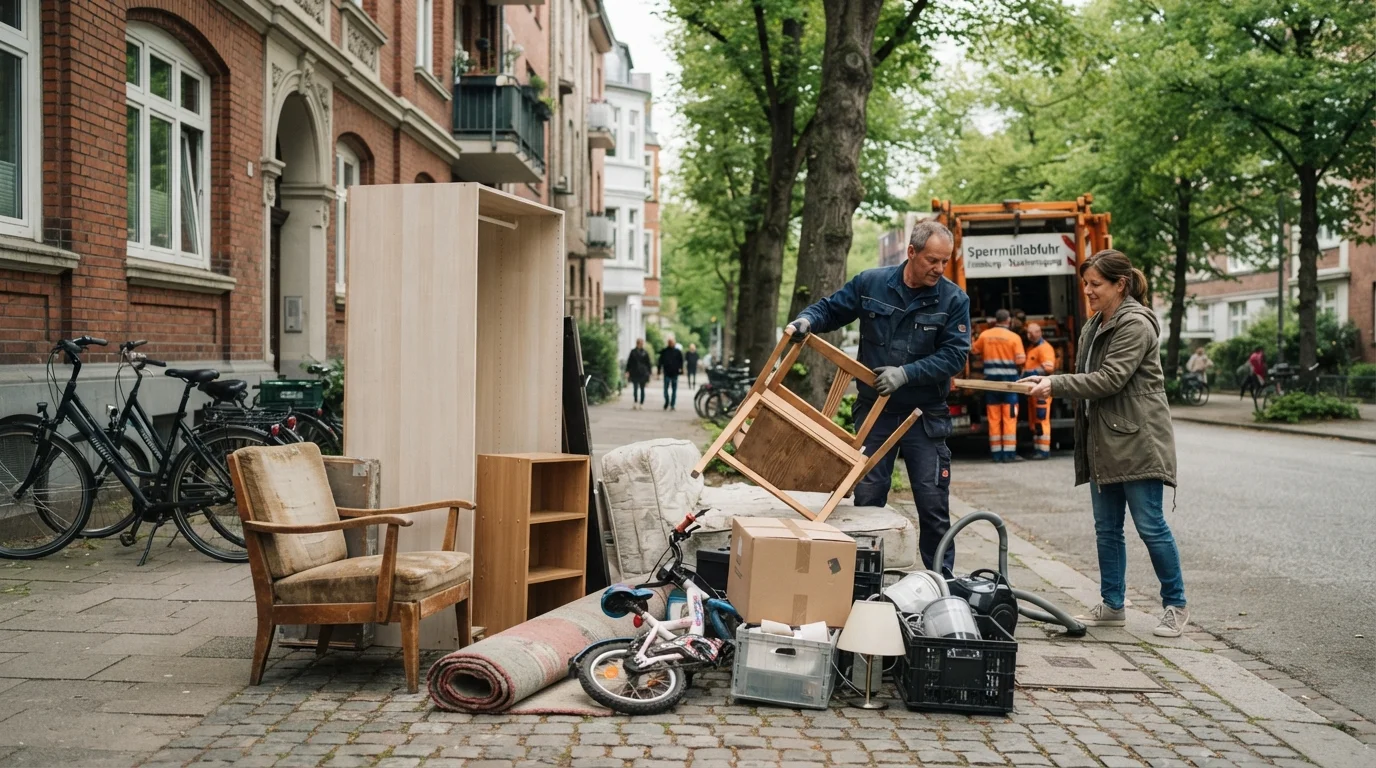
Read moreIf you have recently moved to Germany or walked through a German residential neighborhood, you have likely encountered a curious sight: stacks of old...
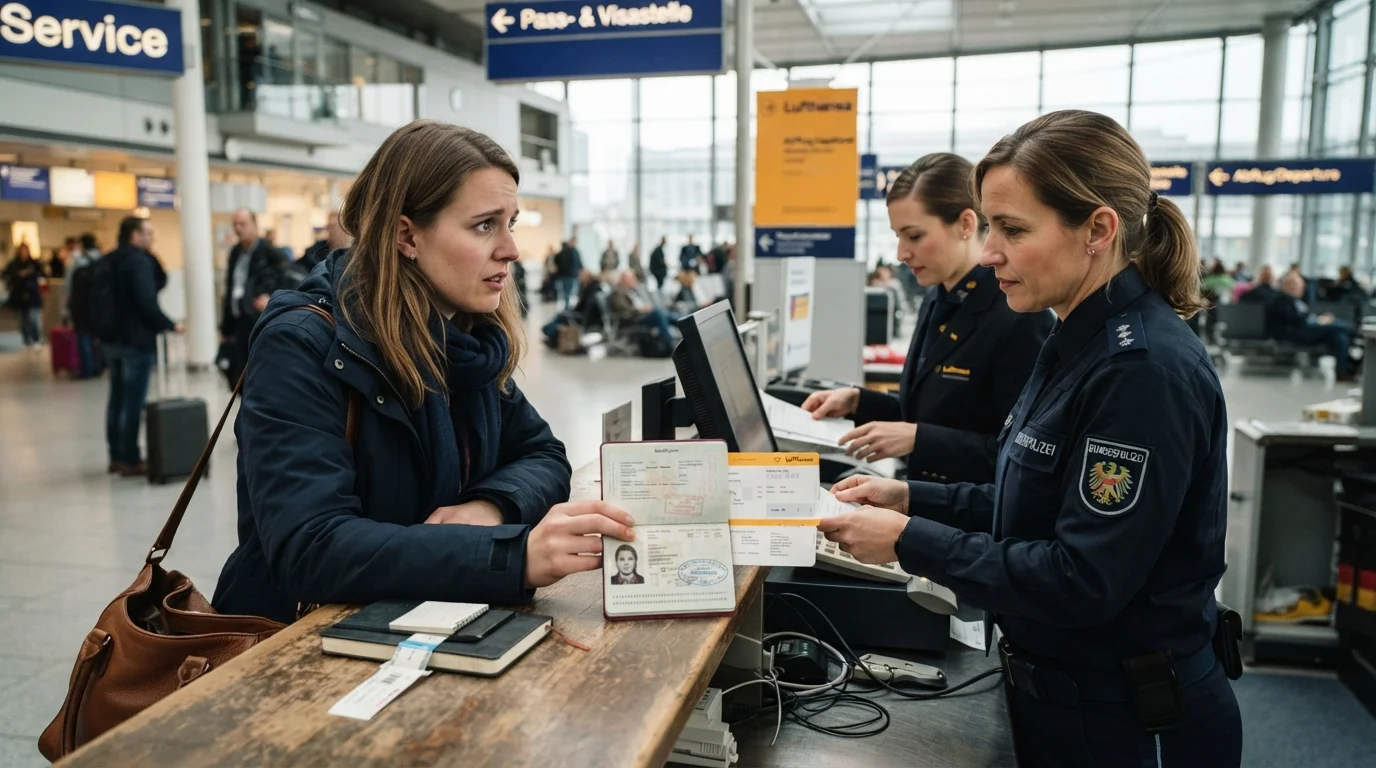
Read morePicture this scenario: You arrive at Frankfurt Airport (FRA), Munich (MUC), or Berlin Brandenburg (BER) ready to board your flight. You reach into...
Read more