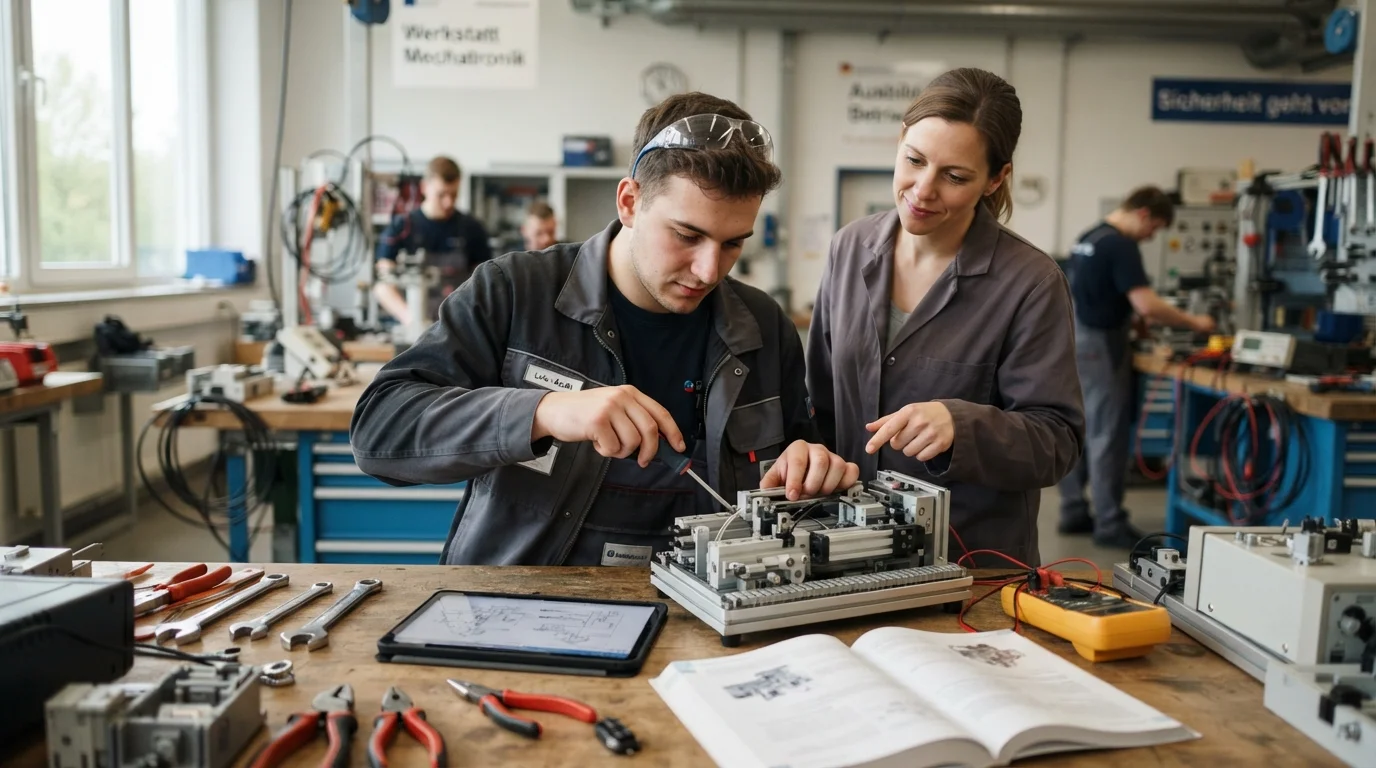
German Ausbildung Guide: Vocational Training for Expats
When planning a career move to Germany, most international professionals immediately think of university degrees or direct corporate hiring. However,...
Read more
Germany is Europe’s economic powerhouse, boasting a booming tech scene, world-renowned engineering hubs, and a high standard of living. For international students, graduates, and expats, landing an internship—locally known as a Praktikum—is the ultimate golden ticket to launching a successful career here. But what if your German skills are still at the beginner level? Can you still find a rewarding, career-boosting role?
The short answer is yes. While fluent German is highly valued, the country’s rapid internationalization has opened up thousands of English-speaking internships across major cities like Berlin, Munich, Frankfurt, and Hamburg. However, navigating the German application system, understanding local labor laws, and standing out in a highly competitive market requires a strategic approach.
In this comprehensive guide, we will walk you through everything you need to know to find, apply for, and secure an English-speaking internship in Germany, from understanding legal requirements to mastering the local application etiquette.
Before you start sending out applications, you must understand how Germany classifies internships. The distinction is crucial because it affects your pay, working hours, and legal rights.
A Pflichtpraktikum is an internship required by your university curriculum to complete your degree. Because it is an academic requirement, the employer is not legally obligated to pay you the German statutory minimum wage, though many reputable companies still offer a stipend. These internships are exempt from certain social security contributions, making them highly attractive to employers. To apply, you will need an official certificate from your university confirming that the internship is mandatory.
A Freiwilliges Praktikum is an internship you undertake of your own accord, either during your studies or after graduation. If a voluntary internship lasts longer than three months, employers are legally required to pay you the statutory German minimum wage (Mindestlohn). This legal requirement is incredibly beneficial for interns, but it also means competition for voluntary roles is fierce, as companies must budget for full compensation. It is also helpful to understand how these roles fit into broader labor agreements; you can read more about collective bargaining in our guide to understanding the German Tarifvertrag.
Your chances of finding an English-speaking internship depend heavily on where you look and which industry you target. While traditional German medium-sized businesses (the famous Mittelstand) often require German, several sectors operate almost entirely in English.
To find the best opportunities, you need to look beyond standard global job boards. Here are the most effective channels for finding an English-speaking Praktikum in Germany:
While LinkedIn and Indeed are great starting points, specialized platforms often yield better results for English speakers:
If you are a student, check your university’s internal career portal (Stellenwerk). Additionally, the German Academic Exchange Service (DAAD) offers extensive databases and funding opportunities for international students looking to intern in Germany.
Do not limit yourself to published job openings. Germans highly respect initiative. If there is a company you admire, draft a compelling unsolicited application (Initiativbewerbung). Reach out to team leads or HR managers on LinkedIn, express your enthusiasm, and explain exactly how your skills can add value to their current projects.
Even if you are applying for an English-speaking role, your application should respect German standards. A standard German application dossier (Bewerbungsmappe) typically consists of a cover letter (Anschreiben), a structured CV (Lebenslauf), and your academic transcripts or reference letters (Zeugnisse).
Your cover letter must be precise, professional, and limited to exactly one page. It should explain why you want to work for that specific company, how your academic background aligns with the role, and what practical skills you bring to the table. If you are applying for roles within the tech or creative sectors, you can stand out by following our specialized advice on writing a persuasive German Cover Letter (Anschreiben).
Unlike Anglo-American resumes, a German CV is highly structured and traditionally chronological (or reverse-chronological). It should include:
Navigating bureaucracy is an essential part of moving to Germany. Your right to work depends entirely on your citizenship:
If you hold citizenship in an EU or EEA country, you have unrestricted access to the German labor market. You do not need a work permit or visa. You only need to register your address (Anmeldung) at the local town hall (Bürgeramt) once you find accommodation.
If you are already in Germany on a student visa, you are legally allowed to work 120 full days or 240 half days per calendar year. A compulsory internship (Pflichtpraktikum) does not count toward this limit. However, a voluntary internship does, so plan your working days carefully.
If you are applying from outside the EU, you will need to apply for an Internship Visa. To secure this visa, the Federal Employment Agency (Bundesagentur für Arbeit) must approve your placement, and the internship must directly relate to your field of study. For a deeper understanding of navigating German bureaucracy, visas, and potential tax implications as a working professional, explore our comprehensive German visa and tax guide. You can also consult official government resources like the Make-it-in-Germany portal for real-time visa requirements.
While you can successfully land and complete an internship entirely in English, learning basic German is the single best way to accelerate your career and integrate into your new environment. Even in international offices, the "coffee machine conversations" (Flurgespräche), lunch breaks, and casual team chats often default to German. Being able to participate—even slightly—shows respect, builds deeper professional relationships, and dramatically increases your chances of being offered a permanent, full-time position after your internship ends.
This is where Bretzi comes in. Designed specifically for busy students and expats, Bretzi offers AI-powered personalized learning plans that adapt to your career goals. Instead of memorizing irrelevant vocabulary, you can practice real-life German conversation with our interactive AI, perfect your pronunciation with instant feedback, and master office-specific dialogues. Whether you want to confidently greet your team, understand meeting structures, or ace your integration exams, Bretzi helps you build practical language skills rapidly and naturally.
Finding an English-speaking internship in Germany requires persistence, research, and a polished application. By targeting the right cities, structuring your CV to German standards, and understanding the legal landscape, you will set yourself up for incredible professional growth.
Don't let the language barrier hold you back. Start boosting your professional German skills today with the Bretzi app, and turn your internship into a permanent launchpad for your European career!
Share this article:
When planning a career move to Germany, most international professionals immediately think of university degrees or direct corporate hiring. However,...
Read moreGermany is currently experiencing one of the most substantial tech talent shortages in Europe. From booming AI startups in Berlin to cloud...
Read moreThe Expat Dilemma: Navigating the German Workplace Picture this: It is your first week at a German company. You walk into the kitchen to grab coffee,...
Read more