How to Speed Up Your German Citizenship Application Process in 2026

This article was written by AI and published by Bretzi.

AI can get things wrong. For anything official, check the source it points to.

How Bretzi uses AI

AI-generated image

How to Speed Up Your German Citizenship Application Process in 2026

The landscape of German immigration reached a landmark milestone with the modernized citizenship law (Staatsangehörigkeitsrecht). By 2026, the administrative systems processing these updated regulations are fully active. Under these rules, foreign residents can acquire German citizenship after just five years of legal residency—or even three years in cases of outstanding integration and C1 language proficiency—while retaining their original nationality.

However, with expanded eligibility comes a massive wave of applications. Civil service offices (Einbürgerungsbehörden) across major administrative districts are handling record volumes. Waiting times for processing an Einbürgerungsantrag can stretch anywhere from six months to over two years if your paperwork is disorganized or delayed by back-and-forth communication.

Fortunately, you do not have to be at the mercy of administrative backlogs. By taking a proactive approach, preparing flawless documentation, leveraging digital portals, and optimizing your language qualifications, you can significantly accelerate your timeline. Here is a comprehensive, step-by-step guide on how to speed up your German citizenship application process in 2026.

1. Understand the 2026 Citizenship Framework Requirements

Before submitting any paperwork, you must understand the exact legal criteria governing your application. Filing an incomplete application or applying under the wrong residency threshold is the single largest cause of unnecessary delays.

Standard 5-Year Pathway vs. 3-Year Fast-Track Pathway

Under the updated legal framework, applicants generally fall into two primary naturalization streams:

  • The 5-Year Standard Route: Requires five years of continuous legal residence in Germany, a certified B1 level of German language proficiency, proof of financial self-sufficiency without reliance on public assistance (Bürgergeld), clean criminal records, and a passed citizenship test (Einbürgerungstest).
  • The 3-Year Fast-Track Route: Allows naturalization after just three years of residency if you demonstrate exceptional integration achievements. This requires C1 German language proficiency alongside proven special accomplishments, such as outstanding academic/professional performance or active voluntary commitment in German civic life.

Choosing the right track early allows you to align your strategy. If you are close to the three-year mark and already possess strong German skills, investing targeted effort into reaching C1 level can slice two full years off your eligibility timeline.

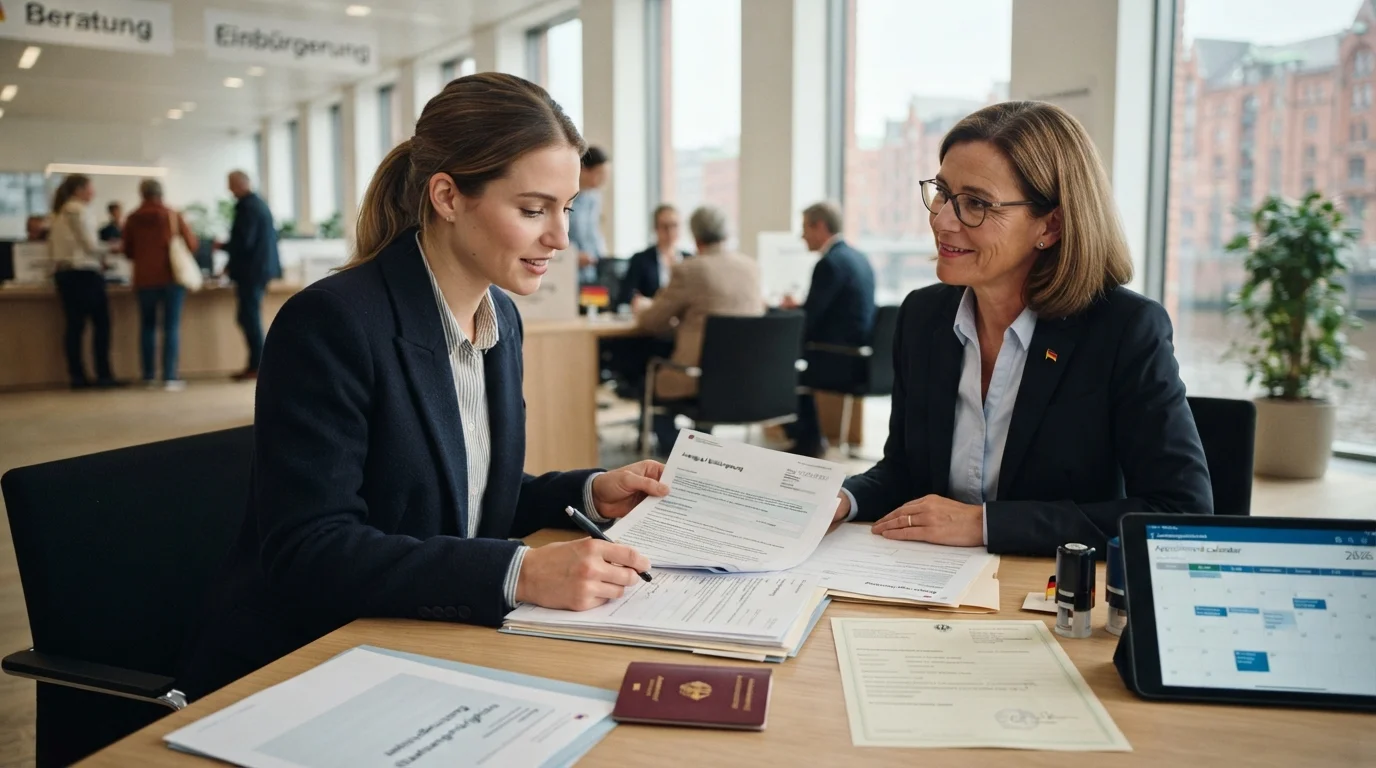
2. Pre-Assemble a Flawless Document Dossier

The majority of citizenship processing delays occur when processing officers must issue a Nachforderung—a formal demand for missing, outdated, or incorrectly formatted documents. Each request for extra documentation can add three to six months to your total processing time as your file moves back to the bottom of the stack.

Essential Document Checklist for 2026

To ensure your file moves directly to processing without interruption, front-load all required evidence in your initial dossier:

  • Valid Passport or Identity Document: Must have at least 6–12 months of validity remaining at the time of submission.
  • Proof of Residence (Meldebescheinigung): Current registration certificate from your local Bürgeramt, ideally issued within the last 3 months.
  • Language Proficiency Certificate: Official B1 or C1 certificate (e.g., TELC, Goethe-Institut, or ÖSD) recognized by German authorities.
  • Citizenship Test Results: Proof of passing the Einbürgerungstest or the Leben in Deutschland test. You can read more about what to expect by reviewing the passing score for the Einbürgerungstest before booking your exam slot.
  • Financial Proof: Last 3 to 6 months of wage statements (Lohnabrechnungen), current employment contract (ununterbrochenes Arbeitsverhältnis), and recent tax assessments (Einkommensteuerbescheid). Self-employed individuals need certified profit-and-loss statements from a tax advisor (Steuerberater).
  • Pension Contribution Record: Official statement from the Deutsche Rentenversicherung showing mandatory or voluntary contributions.
  • Civil Status Certificates: Birth certificate, marriage certificate, or divorce decrees. Crucially, non-EU certificates must be accompanied by an official apostille/legalization and translated by a state-certified German translator (vereidigter Übersetzer).

By compiling every document before opening your application file, you eliminate administrative friction and allow your case officer to approve your dossier in a single review pass.

3. Accelerate Your German Language Proficiency

Language capability is not merely a box to check on your application form; it is the cornerstone of your legal eligibility. Reaching B1 fluency is mandatory for the standard route, while reaching C1 unlocks the 3-year fast-track option.

Official exam slots at Goethe-Institut or VHS (Volkshochschule) exam centers often book out months in advance. Waiting until your residence duration hits five years to start language learning can delay your application by an entire year.

Fast-Tracking Your Language Certification

To pass your language exams on the first attempt without long delays:

  • Book Language Exams Ahead of Time: Register for your B1 or C1 exam 3 to 6 months before reaching your official residency milestone.
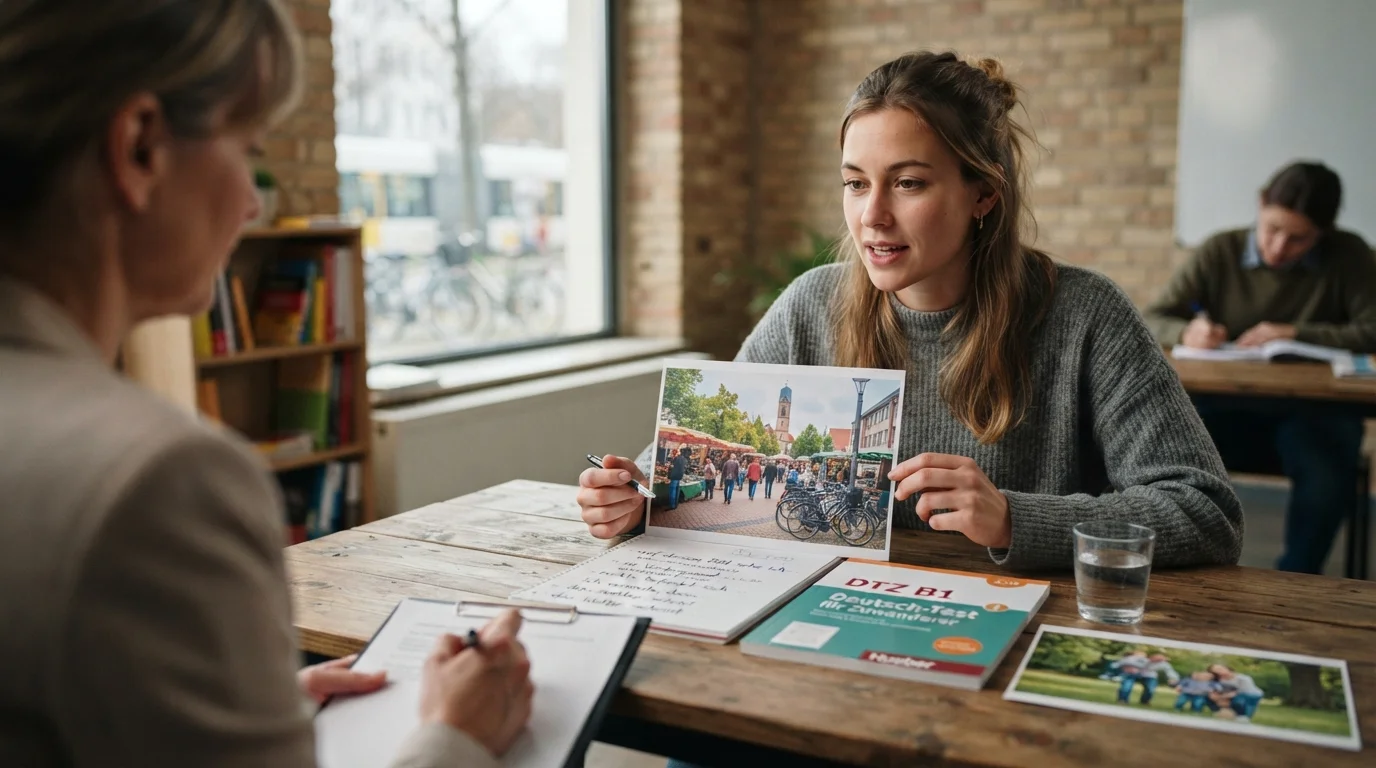
  • Target Exam-Specific Skills: Focus heavily on speaking and listening components, which candidates most frequently fail. Studying tailored DTZ listening exam prep tips will give you the edge needed to pass on your first attempt.
  • Integrate Smart Daily Practice: Consistent daily micro-learning builds fluency far more effectively than once-a-week classes. Using dedicated tools like the Bretzi app helps you accelerate your learning curve through AI-powered personalized study plans, real-time feedback on pronunciation, and interactive dialogue games that simulate real German conversations.

Building strong conversational confidence not only secures your B1 or C1 language certificate sooner but also prepares you for direct interactions with caseworkers at the Einbürgerungsbehörde.

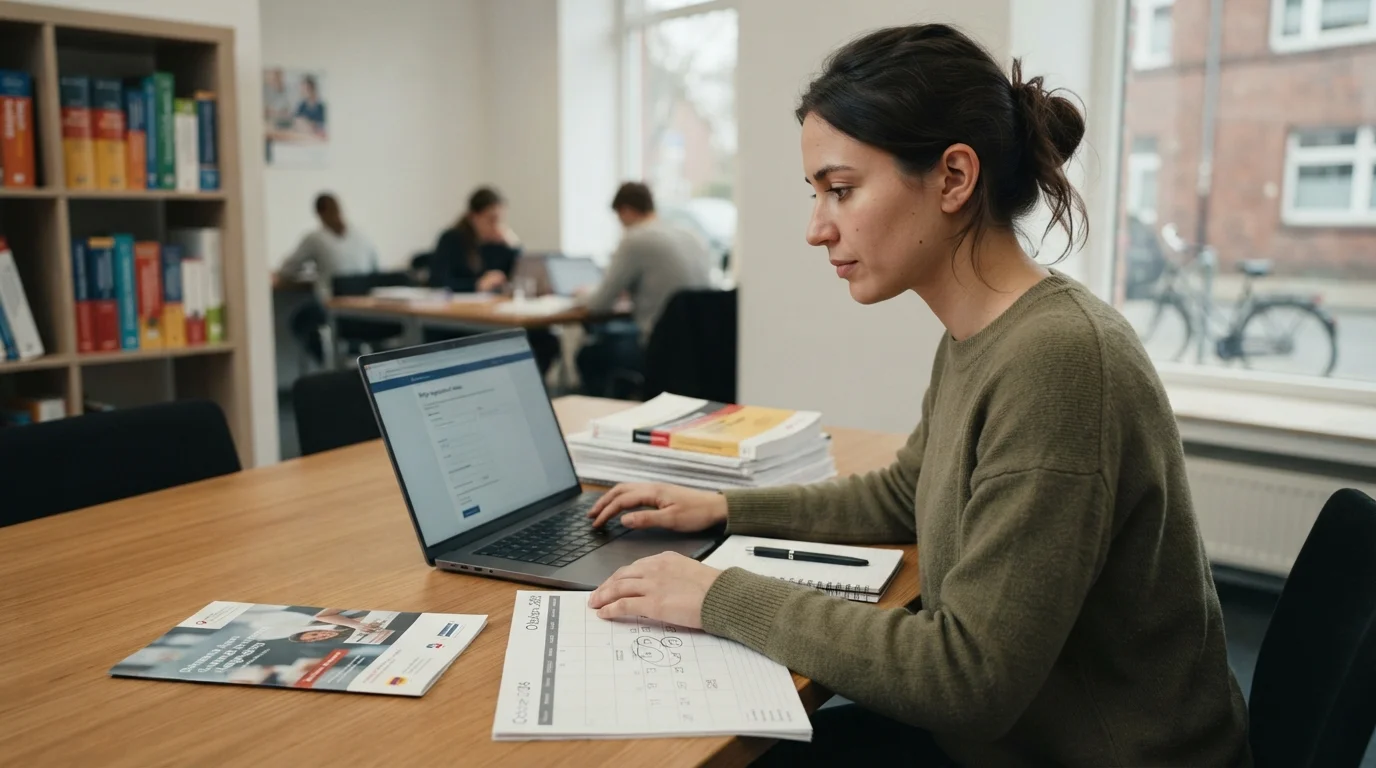
4. Leverage Digital Portals and Online Filing (Online-Antrag)

By 2026, administrative digitization (Onlinezugangsgesetz) has streamlined submission processes across many German states. Cities such as Berlin, Munich, Hamburg, and Frankfurt have established dedicated online portals for submitting your citizenship application electronically.

Why Digital Submissions Are Faster

Filing your application digitally offers several significant structural advantages over paper submissions:

  • Automated Document Indexing: Online systems validate whether required files are attached before final submission, preventing missing document flags.
  • Direct Case File Generation: Your data enters the digital registry immediately, eliminating manual processing delays by intake clerks.
  • Traceable Timestamping: Digital portals generate an instant confirmation of receipt (Eingangsbestätigung), providing a legal timestamp for your application filing date.

Check the administrative website of your local city council or municipal administration (Landratsamt) to confirm whether digital filing is supported. According to official guidelines provided by the Federal Ministry of the Interior (BMI), digital processing protocols continue to expand nationwide to standardize turnaround times.

5. Communicate Professionally with Civil Servants

The tone and clarity of your communication with your assigned caseworker directly impact the speed of your application. Bureaucrats handle hundreds of open cases simultaneously; courteous, well-organized inquiries receive faster responses than ambiguous, demanding messages.

Best Practices for Authority Communication

When contacting your local citizenship office:

  • Use Formal Written German: Always correspond in polite, formal German (using Sie forms and standard bureaucratic etiquette). Using essential German phrases for your citizenship appointment and written inquiries ensures your messages sound professional and authoritative.
  • Include Reference Numbers: Always feature your case reference number (Aktenzeichen), full name, and birth date in the subject line of emails or letters.
  • Limit Follow-Up Inquiries: Avoid emailing every week for status updates. Frequent non-essential communications clutter your file and slow down your case officer. Space out follow-up inquiries by 8 to 12 weeks unless replying to a direct request for information.

6. Understand Legal Remedies: The Inactivity Lawsuit (Untätigkeitsklage)

What happens if your application sits untouched for months despite having submitted a complete document dossier? Under Section 75 of the German Code of Administrative Court Procedure (Verwaltungsgerichtsordnung - VwGO), citizens and residents have a legal safeguard against administrative stagnation: the Untätigkeitsklage (inactivity lawsuit).

When and How to Consider Action

If the authorities fail to decide on your application within three months without a valid legal justification (such as waiting for background security checks from external agencies), you are legally entitled to file an action for failure to act.

  • Step 1: Formal Warning (Sachstandsanfrage mit Fristsetzung): Send a formal letter via registered mail (Einschreiben) requesting a status update and setting a reasonable deadline (e.g., 3–4 weeks) for processing, citing your completed application and submission date.
  • Step 2: Legal Consultation: If the authority fails to respond or provide a clear reason for the delay, consult a lawyer specializing in German migration law (Fachanwalt für Migrationsrecht).
  • Step 3: Filing the Claim: In many cases, simply serving a formal notice of intent to file an Untätigkeitsklage prompts the authority to pull your file to the top of the stack and finalize processing to avoid court proceedings.

While legal action should be considered a last resort, knowing your rights prevents your file from sitting in administrative limbo indefinitely.

7. Maintain Continuous Eligibility Throughout Processing

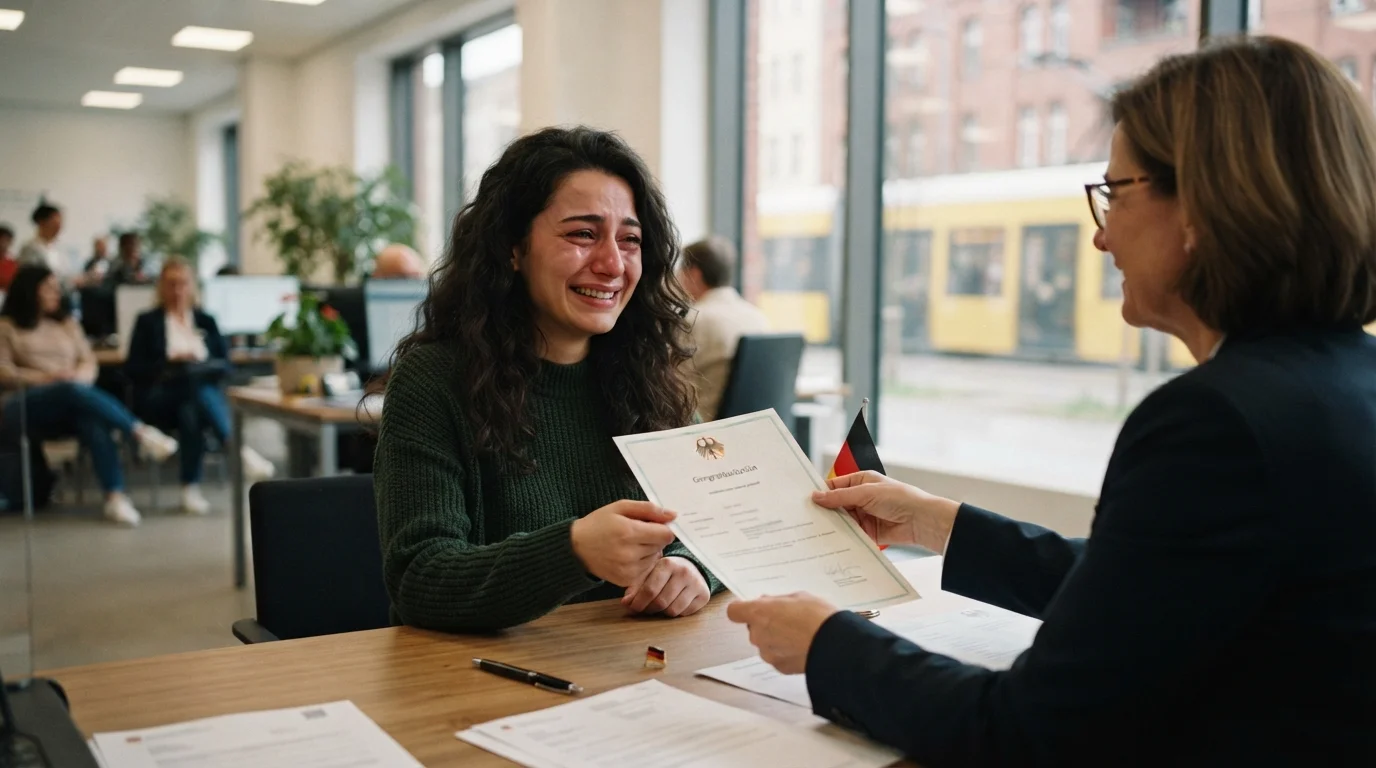
Submitting your application is not the final step. You must maintain continuous compliance with all citizenship criteria right up until you sign your naturalization certificate (Einbürgerungsurkunde) and receive your German passport.

Key Factors to Monitor While Waiting

  • Employment Changes: Avoid changing jobs during the trial period (Probezeit) of a new contract while your application is pending. Caseworkers require proof of permanent employment without ongoing probationary conditions.
  • Document Expiration: Monitor expiration dates on your passport, residence permit, and temporary registration documents. Keep updated copies ready for resubmission if your application processing spans past an expiration date.
  • Address Changes: If you relocate to a new apartment within the same municipality—or move to a different district or state—notify the authority immediately. Moving to a different jurisdiction will cause your physical or digital file to be transferred to a new office, which can add processing delays.

Summary Checklist for Fast-Tracking German Naturalization

To review, here is your game plan for speeding up your citizenship process in 2026:

  • Confirm whether you qualify for the 5-year standard or 3-year fast-track program.
  • Book language exams (B1/C1) and the Einbürgerungstest several months in advance.
  • Pre-assemble a complete dossier with certified translations, financial proof, and pension records before filing.
  • Use your city's official digital application portal (Online-Antrag) where available.
  • Leverage tools like Bretzi to build real-world language fluency and conquer oral exam requirements seamlessly.
  • Communicate professionally using proper German administrative language.
  • Use formal deadlines (Fristsetzung) or legal counsel if processing stalls without justification beyond reasonable timelines.

By combining meticulous administrative organization with proactive language training, you can navigate the 2026 German citizenship process efficiently and take your place as a fully recognized German citizen without unnecessary delay.

Frequently Asked Questions

How long does the German citizenship application take in 2026?
Processing times vary significantly by region and city. On average, standard applications take anywhere from 6 to 18 months, but submitting a complete digital dossier and possessing C1 German can reduce processing time significantly.
Can I keep my original nationality when acquiring German citizenship in 2026?
Yes. Following the legal reforms, Germany permits dual and multiple citizenship. You are no longer required to give up your previous nationality upon naturalization, provided your origin country also permits dual citizenship.
What is the fastest way to get German citizenship?
The fastest pathway is the 3-year fast-track route under Paragraph 10 StAG. This requires three years of continuous residence, C1-level German language proficiency, and proof of exceptional integration accomplishments (such as academic excellence, professional achievements, or active community service).