Federweißer and Zwiebelkuchen: Germany’s September Taste
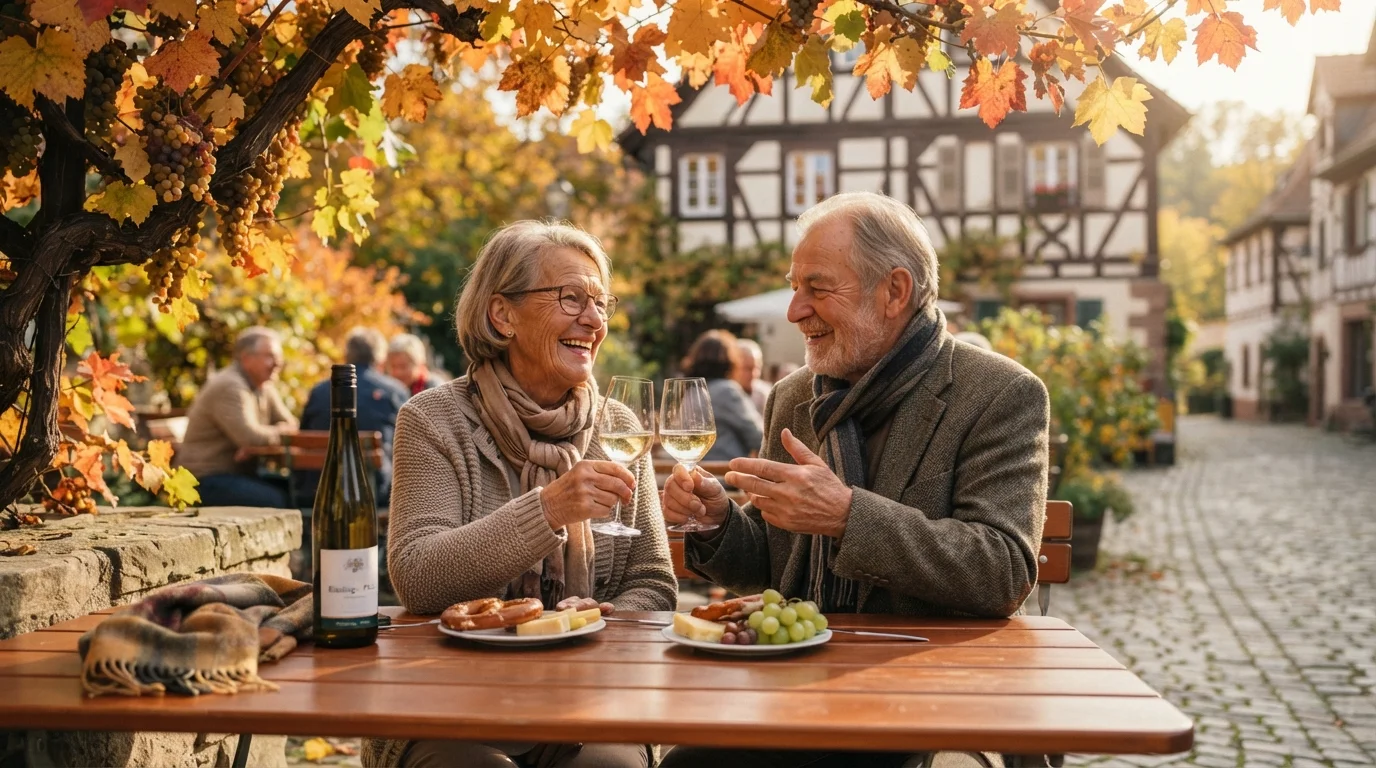
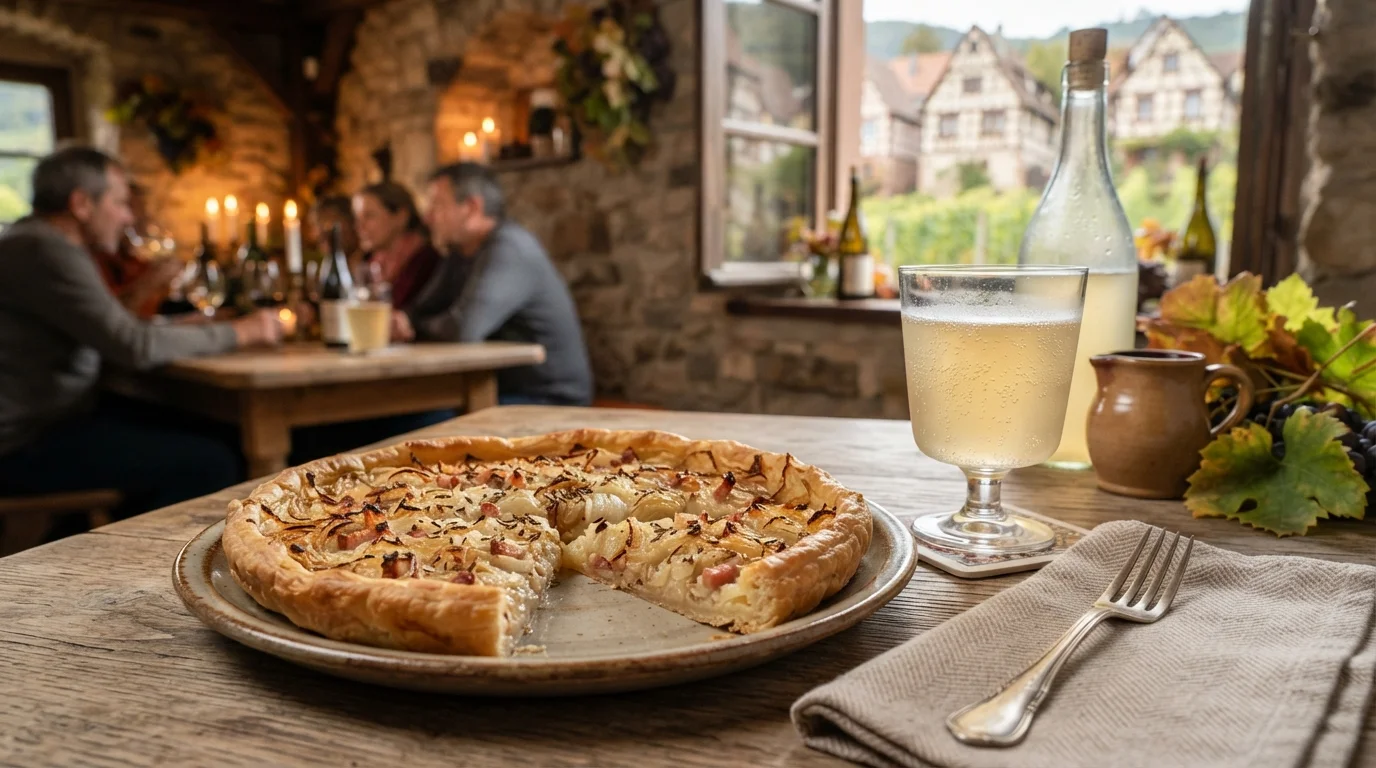
September in Germany has a flavor: slightly sweet, gently sparkling Federweißer served with a warm slice of savory Zwiebelkuchen. This seasonal...
Read more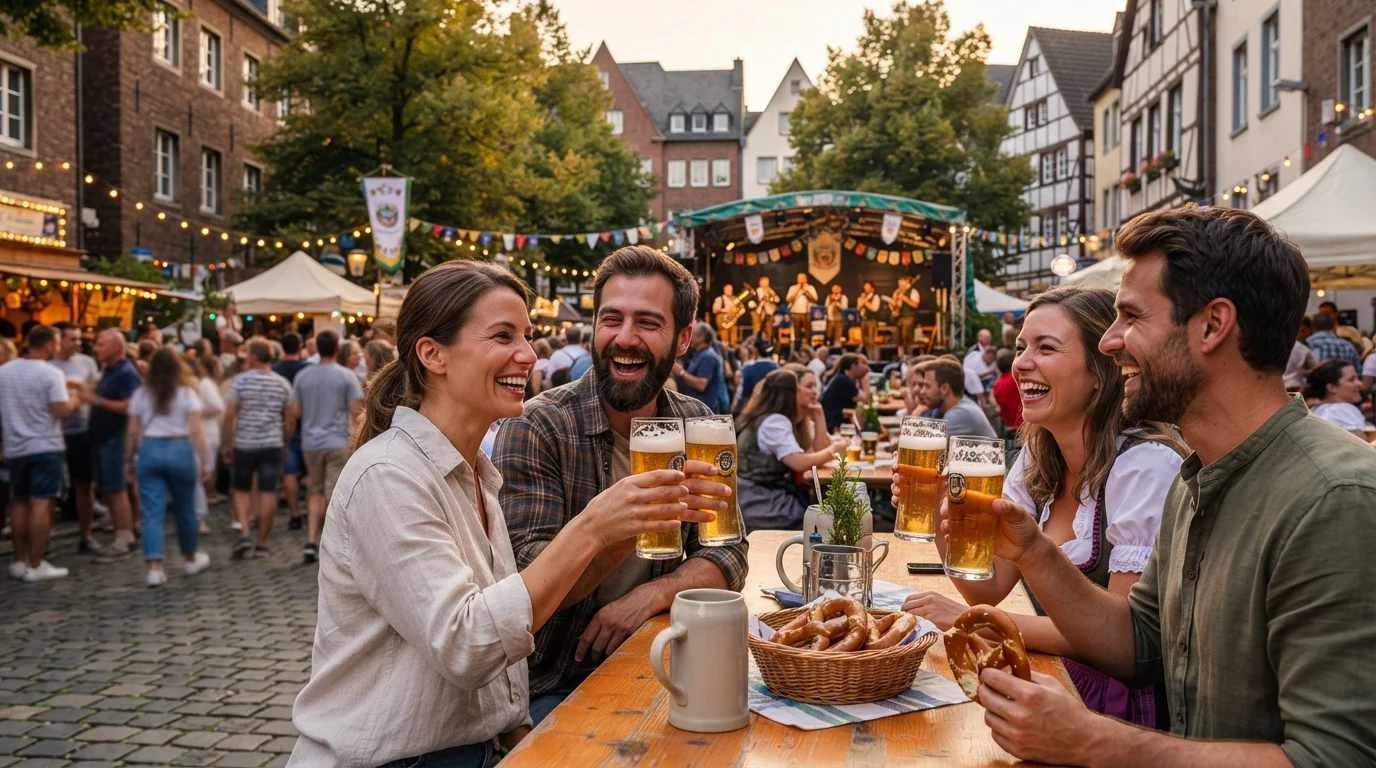
As August rolls in, Germany experiences a glorious seasonal transition known as Spätsommer (late summer). The long, sun-drenched days begin to soften, warm evenings linger, and cities and towns across the country host some of the year's most vibrant outdoor celebrations. Before autumn arrives with its cooler breezes, Germans take to the streets, riverbanks, and historic square grounds to eat, drink, dance, and celebrate.
For expats, language learners, and travelers, attending late summer festivals is more than just entertainment—it is an immersive doorway into German regional cultures, traditions, and spoken language. Whether you are living in Germany, preparing for your Goethe or telc language exam, or simply planning a visit in August 2026, this guide covers the absolute best late summer festivals in Germany, along with key cultural insights and essential vocabulary to help you navigate them like a local.
While Oktoberfest in Munich garners global fame, locals in Lower Bavaria know that the Gäubodenvolksfest in Straubing offers a genuinely authentic alternative. Scheduled for mid-August 2026, this event is Bavaria's second-largest folk festival, attracting over a million visitors every year without feeling overly commercialized.
Originating in 1812 as an agricultural show commissioned by King Maximilian I Joseph, the Gäubodenvolksfest has grown into an expansive celebration. Across its vast festival grounds, you will find massive beer tents operated by traditional Bavarian breweries, thrill rides, and an adjoining agricultural trade fair (Ostbayernschau).
Attending a Volksfest gives you an unparalleled opportunity to hear authentic Bavarian dialect (Bayerisch) in action. If you find food stall chatter intimidating, practicing dialogues beforehand makes a world of difference. With the Bretzi app, you can use AI-powered real-life German conversation practice to simulate ordering festival food, reserving a table in a beer tent, and making polite small talk with table neighbors.
In late August 2026, Frankfurt am Main transforms into one of Europe’s premier cultural capitals during the Museumsuferfest. Held along both banks of the Main River, this three-day extravaganza attracts over a million visitors and showcases art, music, international cuisine, and performing arts against Frankfurt's iconic skyscraper backdrop.
The concept behind Museumsuferfest is simple yet brilliant: Frankfurt’s renowned museums open their doors late into the night, offering discounted access buttons (Button) that allow entry into dozens of venues. Meanwhile, the riverbanks line up with hundreds of arts and crafts stalls, live music stages ranging from jazz to electronic music, and global culinary booths.
While exploring the bustling food stalls along the river, you will notice locals enjoying refreshing summer beverages. Many reach for a crisp spritzer; learn why Germans love Schorle in summer to ensure you order your wine or juice spritzer correctly from the stall vendor.
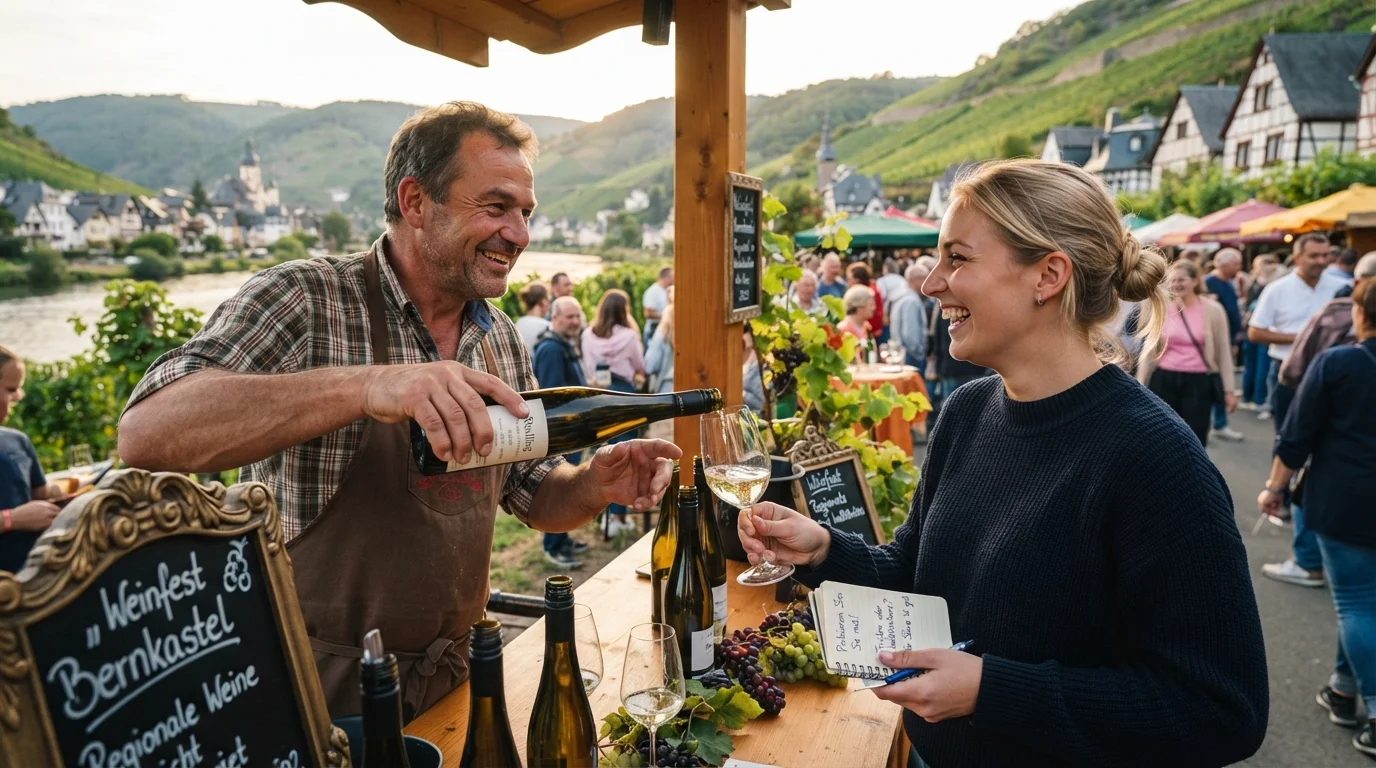
For wine lovers, late August marks the grand opening of the Stuttgarter Weindorf, one of Germany's largest and most atmospheric wine festivals. Running from late August into early September 2026, the historic city center around Marktplatz and Schillerplatz converts into an idyllic Swabian wine village.
Over 120 beautifully decorated wooden arbors (Lauben) are set up, offering more than 500 regional wines from the Württemberg and Baden wine-growing regions. Stuttgart is unique among major European cities for having vineyards that extend right into the urban area, making wine culture deeply central to local identity.
The atmosphere at Stuttgarter Weindorf is cozy and communal (gemütlich). Tables are shared, meaning you will inevitably sit next to friendly strangers. It provides an excellent, stress-free setting to practice your conversational German skills over a glass of local vintage.
If your late summer travels bring you to Northern Germany in early August 2026, head to the historic port city of Rostock for the Hanse Sail. As one of the world's largest gatherings of traditional tall ships and vintage sailing vessels, this four-day maritime festival hosts around 200 ships from nations across the globe.
From the city harbor (Stadthafen) to the seaside resort district of Warnemünde, the coastline springs to life with maritime markets, sea shanty choirs, amusement rides, and open-ship tours (Open Ship).
When you take a break from the coastal crowds, remember that hot August days in Germany often call for a swim. Beyond coastal beaches, urban Germans love cooling off in outdoor swimming pools; dive into the history of German Freibad culture to discover why local swimming facilities are central to summertime life.
On the second Saturday of August 2026, the UNESCO World Heritage Upper Middle Rhine Valley lights up for the famous Rhein in Flammen (Rhine in Flames) event in Koblenz and surrounding river villages like Spay and Braubach.
A convoy of nearly 70 illuminated passenger ships glides down the Rhine River past historic castles, fortresses, and vineyards. As the ships pass, spectacular firework displays are launched from hilltop strongholds, casting glowing reflections across the water.
On land, Koblenz hosts a three-day summer festival along the Rhine and Moselle promenades featuring live bands, wine gardens, and regional food stalls. For additional tourist information and travel schedules across regions, check Germany's official tourism portal.
To feel fully confident navigating festival grounds, ordering food, and chatting with locals, familiarize yourself with these essential words and phrases:
Attending German festivals is straightforward, but keeping a few cultural nuances in mind will make your experience far smoother:
While card payments have become more widespread across Germany, many small food, drink, and craft stalls at outdoor festivals remain cash-only. Always carry enough Euros in cash—including small coins for restroom access (usually €0.50 to €1.00).
When you buy a drink at a festival stall, you will almost always pay a deposit (Pfand) of €1 to €3 on the glass, mug, or plastic cup. You receive a plastic token (Pfandmarke) along with your glass. When you return both the glass and the token to the stall, your cash deposit is refunded.
Parking near major festival grounds during August is notoriously difficult. Cities run extra buses, trams (Straßenbahn), and suburban trains (S-Bahn) during large events. Plan your route using national rail services (Deutsche Bahn) or regional transit apps.
If festival culinary delights spark your interest in German outdoor cooking traditions, check out our guide on German BBQ culture and Grillparty etiquette to master social norms around food and hosting in Germany.
Attending late summer events provides an amazing natural laboratory for expanding your German skills. However, real-life conversations in noisy festival environments happen quickly. Building a solid foundation before step onto the Festplatz ensures you won't freeze when spoken to.
This is where the Bretzi app shines. Tailored specifically for learners navigating real life in Germany, Bretzi offers interactive dialogue games for practical scenarios, instant pronunciation training, and personalized vocabulary building using spaced repetition. Whether you need to revise ordering food, asking for directions, or chatting about the weather, spending 10 minutes a day on Bretzi can help your German flow more naturally when you order your first glass of wine or pretzel.
Late summer in Germany is a magical period filled with sunshine, delicious regional foods, world-class wines, and rich cultural traditions. Whether you are swaying to brass music in Straubing, admiring tall ships in Rostock, or watching fireworks over the Rhine in Koblenz, August 2026 offers unforgettable opportunities to build memories and sharpen your German.
Don't let the season slip by without taking part in local celebrations. Grab your friends, practice your key phrases, and step out into the sunshine. Ready to boost your German skills before the next festival weekend? Download the Bretzi app today and start practicing real-world conversations with interactive AI feedback!
Share this article:
September in Germany has a flavor: slightly sweet, gently sparkling Federweißer served with a warm slice of savory Zwiebelkuchen. This seasonal...
Read moreHave you ever experienced a warm, golden autumn day in Germany when summer seems to return for one last visit? Germans have a beautiful word for this...
Read moreAs summer winds down and the morning air turns crisp, Germany undergoes a golden transformation. While millions of tourists flock to Bavaria for...
Read more