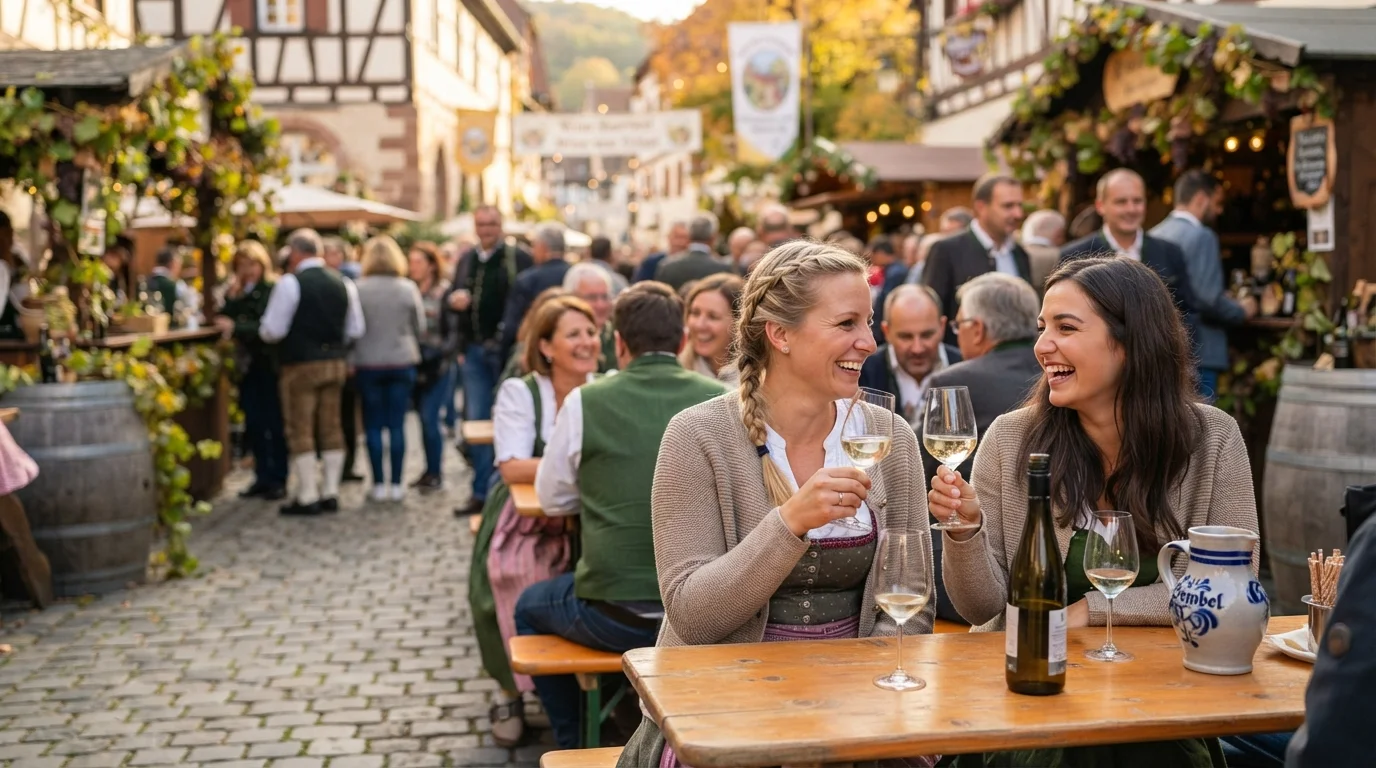
German Wine Harvest Festivals in October 2026: A Cultural Guide
As golden leaves blanket rolling hills and vineyard terraces along the Rhine, Mosel, and Neckar, Germany enters one of its most festive seasons....
Read more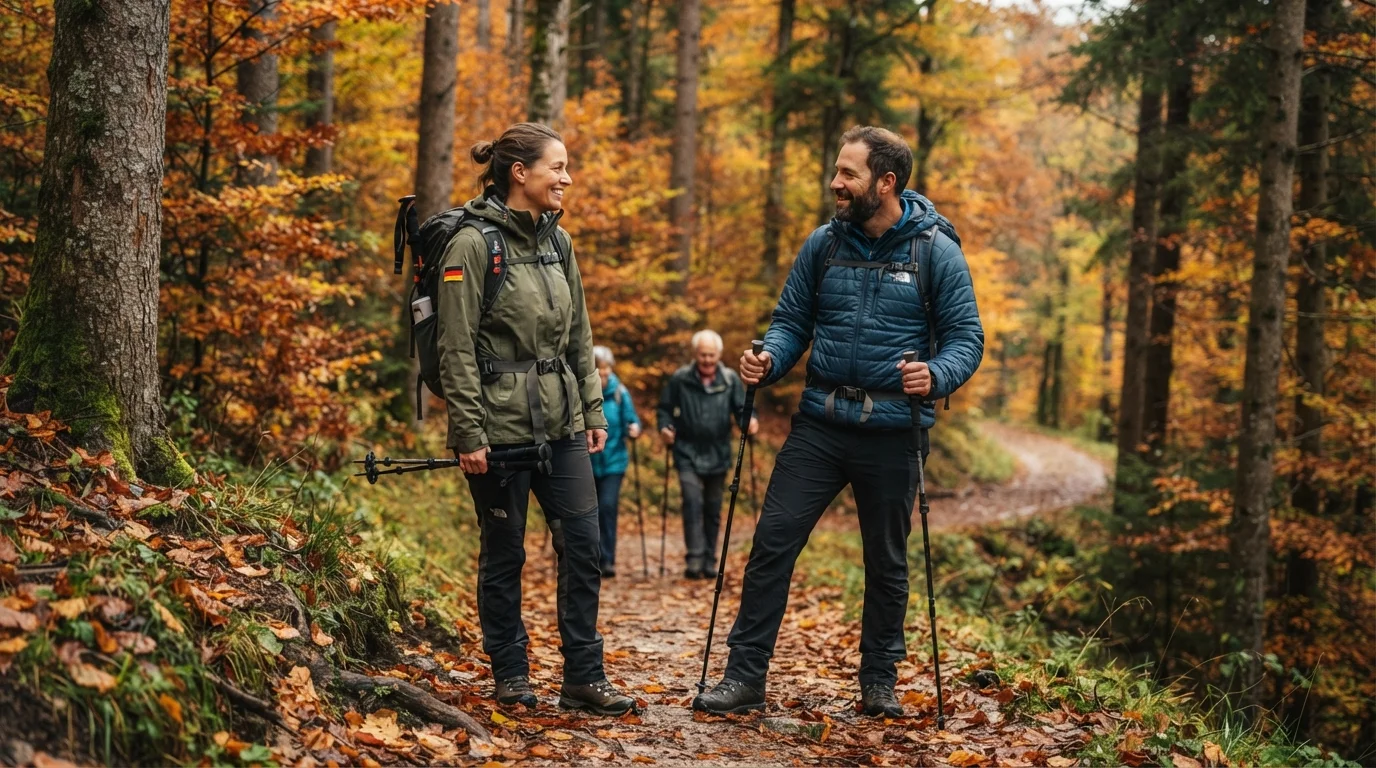
When the crisp air settles across Germany and broadleaf canopies in the Black Forest, Harz, and Bavarian Alps turn vibrant shades of amber and gold, millions of people lace up their boots for a seasonal ritual: the Herbstwanderung (autumn hike). In Germany, hiking is not merely casual exercise; it is an enduring cultural institution deeply tied to history, romantic literature, and an abiding respect for nature.
Autumn offers some of the most spectacular outdoor conditions, especially during the mild sunny stretches known as the Altweibersommer traditions. Yet, stepping onto a German forest trail involves navigating subtle social expectations and clear environmental laws. Whether you are a newcomer integrating into local life or an expat eager to explore regional nature reserves, understanding the unwritten and statutory rules of forest etiquette will help you feel confident, respect the environment, and connect authentically with fellow outdoor enthusiasts.
One of the first things international walkers notice on German trails is the sudden shift in social norms. In bustling city centers like Berlin, Frankfurt, or Munich, eye contact is brief and strangers rarely greet one another on the street. Cross the threshold into a forest or climb above tree line, however, and passing someone without a greeting can be perceived as aloof or even rude.
This trail greeting culture (die Grußkultur) has its own clear boundaries and regional nuances:
Germany balances public access to the outdoors with stringent conservation regulations. Under federal law, everyone has a general right to enter forests for recreation. According to § 14 of the Bundeswaldgesetz (Federal Forest Act), entering the forest for recreation is permitted at one's own risk. However, this statutory right comes with specific obligations to protect the ecosystem and maintain order.
For a detailed breakdown of historical forest customs and nature preservation, you can explore our comprehensive guide to German forest etiquette. When hiking in autumn specifically, keep these critical legal guidelines in mind:
While you may walk through open woodlands in many federal states, entering protected areas (Naturschutzgebiete or Nationalparks) requires visitors to remain strictly on official, marked paths (ausgewiesene Wanderwege). In autumn, ground-nesting animals, overwintering insects, and sensitive fungal mycelia rely on undisturbed soil under decaying leaves. Trampling off-trail causes erosion and disrupts local wildlife preparing for winter hibernation.
Autumn leaf litter dries out remarkably fast on sunny afternoons, creating hidden fire risks beneath the canopy. Federal and state forest laws strictly prohibit open fires outside of designated barbecue sites (Grillplätze). In most federal states, smoking in forests is banned outright from spring through late autumn (typically March 1 to October 31), and throwing cigarette butts into the woods is a punishable offense carrying hefty fines.
Leaving trash behind is unacceptable in German outdoor culture. You must carry all litter back out with you, including organic waste such as banana skins or apple cores (Apfelgriebsch). Because the temperature drops in autumn, organic debris decomposes much slower than many assume, and non-native food scraps can alter soil chemistry and harm local wildlife.
Autumn forest walks in Germany frequently coincide with mushroom foraging (Pilze sammeln) and gathering sweet chestnuts (Esskastanien). Foraging is deeply embedded in regional culture, but it is closely monitored by nature protection authorities.
The German Federal Nature Conservation Act allows individuals to gather wild mushrooms, berries, and herbs under what is legally termed the Handstraußregelung (the "hand bouquet rule"). This principle allows foraging strictly for personal, immediate household consumption (Eigenbedarf).
Collecting sweet chestnuts is especially popular in the warmer wine-growing valleys of the Palatinate (Pfalz) and the Rhine Valley. You are free to pick up fallen chestnuts on public forest ground for private meals. After an afternoon outdoors, many hikers reward themselves with seasonal specialties; learn more about regional delicacies in our guide to German autumn comfort foods.
Shorter daylight hours and damp terrain make autumn hiking fundamentally different from summer outings. Observance of trail hierarchy and safety customs ensures everyone returns home without incident.
On narrow trails, hikers moving uphill generally have the right of way. Climbing requires sustained momentum and physical exertion; if you are walking downhill, step aside safely onto the firm trail edge to let uphill walkers pass. When sharing trails with mountain bikers (Mountainbiker), keep in mind that while bikes are legally required to yield to pedestrians on designated shared paths, mutual caution and clear communication prevent accidents.
Deciduous foliage conceals slick rocks, exposed roots (Wurzeln), and muddy ruts. Sturdy hiking boots with deep tread (Profilsohle) and waterproof membranes are considered standard hiking equipment rather than optional accessories. Furthermore, autumn fog can roll in swiftly, obscuring trail blazes painted on trees and rocks. Because sunset arrives earlier each week in October and November, plan routes that allow you to reach your destination well before dusk (Dämmerung).
If you hike with a dog, pay close attention to local leash laws (Leinenpflicht). Autumn is the rutting season for red deer (Brunftzeit) and wild boars (Wildschweine) become active foragers beneath oak and beech trees. Dogs that chase wild game trigger intense stress for animals preparing for winter, and forest rangers or authorized hunters have legal authority to intervene if domestic pets pursue wildlife.
Whether reading trail markers, ordering at a rustic mountain shelter, or speaking with forest rangers, using accurate German terminology enriches your outdoor experience. Here is a curated list of essential terms:
| German Term | English Meaning | Context / Usage |
|---|---|---|
| die Herbstwanderung | autumn hike | General term for seasonal forest and mountain walks. |
| der Wanderweg | hiking trail | Marked trail maintained by local trail associations. |
| das Laub / nasses Laub | foliage / wet fallen leaves | Crucial for identifying trail conditions and slip hazards. |
| trittsicher | sure-footed | Commonly seen on trail difficulty markers (Trittsicherheit erforderlich). |
| die Einkehr | trailside stop / rest at a tavern | The tradition of stopping at a cabin or country inn during a hike. |
| die Wanderhütte | hiking cabin / mountain lodge | Rustic cabin offering warm food and shelter to hikers. |
| das Naturschutzgebiet | nature reserve | Strictly regulated conservation zone with designated paths. |
| Pilze sammeln | mushroom foraging | Autumn pastime subject to local personal-use quotas. |
| die Dämmerung | twilight / dusk | Important time marker to avoid being caught in dark woods. |
Building confidence with practical vocabulary makes participating in local life seamless. The Bretzi app focuses specifically on the German used in everyday situations, work, and real-life activities across Germany. In Bretzi's Words tab, you can search for and save these hiking terms into personalized flashcards, use the noun gender game to master tricky articles like das Laub versus der Pfad, and reinforce them through spaced-repetition reviews.
No German hiking tradition is complete without die Einkehr—the restorative stop at a rustic mountain shelter (Wanderhütte), forest restaurant (Waldgasthaus), or wine tavern (Besenwirtschaft or Straußwirtschaft). After several hours on the trail, sitting down among fellow hikers for a hearty meal is a cultural highlight.
When entering a busy forest tavern, it is customary to share large wooden tables if seats are open. Always ask politely before sitting down:
"Entschuldigung, ist hier noch frei?" (Excuse me, is this seat free?)
In autumn, traditional menus feature warming dishes such as lentil stew (Linseneintopf), fresh mushroom soup, wild game goulash (Hirschgulasch), or a traditional cold cuts board (Brotzeitbrettl). In southern and western wine regions, pair your meal with freshly pressed apple cider or young autumn wine (Federweißer) served alongside savory onion tart (Zwiebelkuchen).
If you want to practice ordering food comfortably or asking for directions when a trail sign is unclear, you can rehearse real-life dialogues using Bretzi. With Premium, you can initiate a voice call with SprachBuddy—Bretzi's AI conversation partner—to practice everyday conversations out loud before you set off on your weekend adventures.
Before heading out into the woods, run through this practical preparation checklist to ensure a safe, respectful trip:
A German autumn forest walk offers one of the most rewarding ways to experience the country's natural beauty and rich cultural heritage. By honoring basic etiquette—greeting fellow walkers, staying on designated paths, respecting foraging thresholds, and observing nature protection laws—you preserve these historic woodlands for everyone while building lasting ties to local outdoor traditions.
Embrace the seasonal rhythm: lace up your boots, pack a warm layer, and enjoy the sights and scents of the autumn woods. Whether you are expanding your conversational German or exploring your local countryside for the first time, each step along the trail brings you closer to everyday life in Germany.
Rules, fees and dates change. Check the current version on the official pages before you act.
Share this article:
As golden leaves blanket rolling hills and vineyard terraces along the Rhine, Mosel, and Neckar, Germany enters one of its most festive seasons....
Read moreWhen golden leaves drift across cobblestone streets and farm stands brim with squash, apples, and newly pressed cider, Germany shifts into its cozy...
Read moreWhen the crisp October winds begin to sweep across Germany and the golden days of Altweibersommer transition into darker, chillier evenings, the...
Read more