How to Ace the Oral Picture Description in the DTZ B1 German Exam
Standing outside the exam room, heart thumping, waiting for the oral portion of the Deutsch-Test für Zuwanderer (DTZ) is an experience thousands of...
Read more
This article was drafted by AI and edited by a person before it was published.
AI can get things wrong. For anything official, check the source it points to.
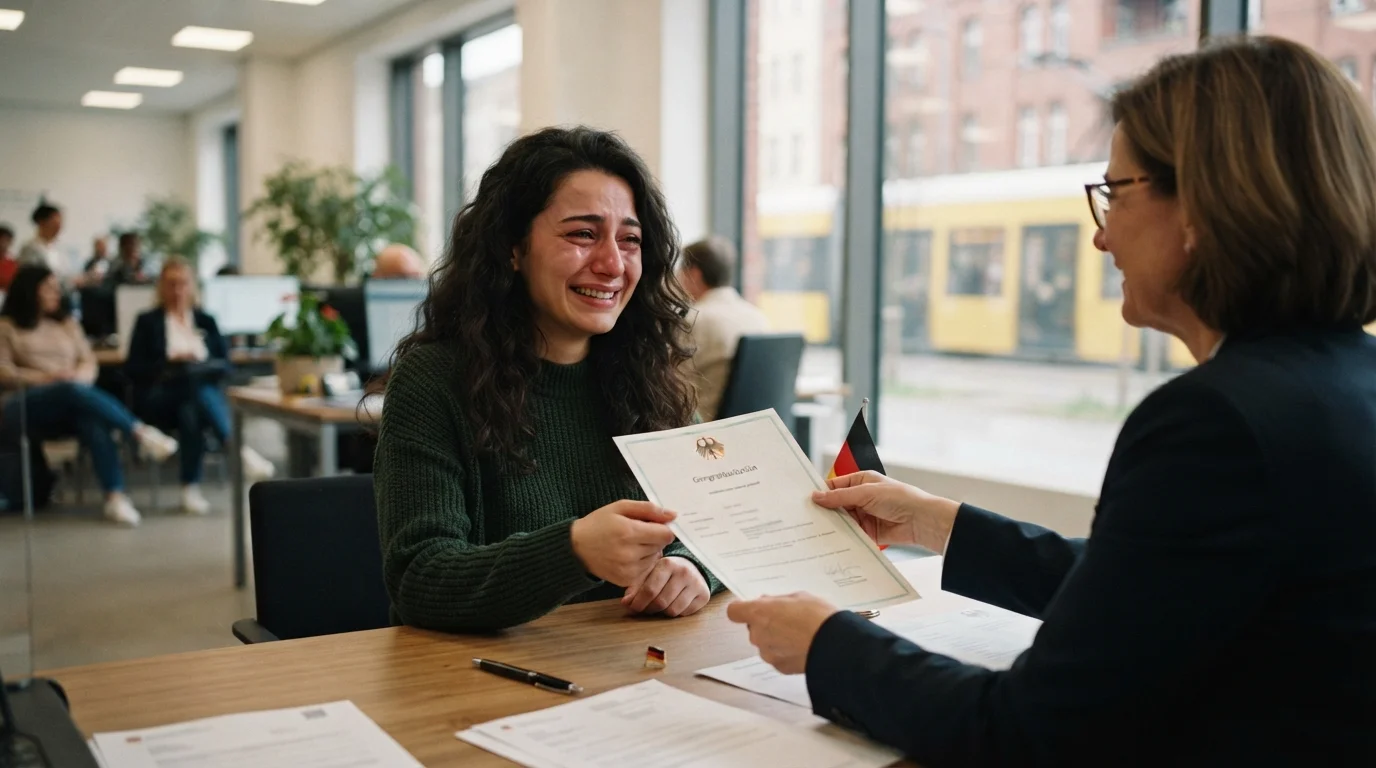
AI-generated image
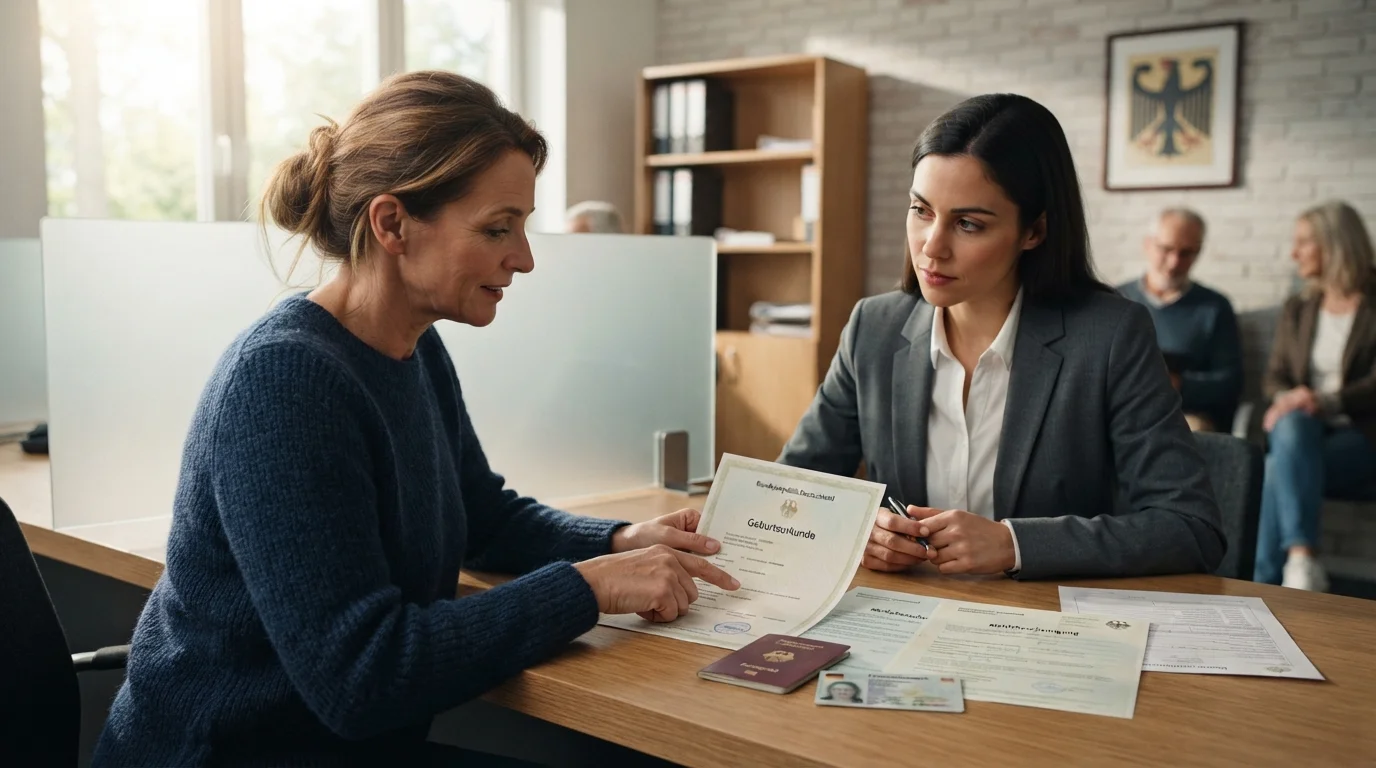
Becoming a German citizen is a transformative milestone for many expats. With the recent modernization of the German Citizenship Act (Staatsangehörigkeitsgesetz - StAG), which now permits dual citizenship and shortens the residency requirement, the dream of holding a German passport is more attainable than ever. However, before you can take the oath of citizenship and receive your certificate, you must navigate the bedrock of German bureaucracy: the Identitätsklärung (clarification of identity).
Proving your identity is the absolute foundation of your citizenship application. The German government must establish, beyond any doubt, your legal name, date of birth, place of birth, and current nationality. Even minor discrepancies in your documentation can stall your application for months. In this guide, we will break down exactly which documents you need, how to prepare them, and how to overcome common bureaucratic hurdles along the way.
Under Section 10 of the German Citizenship Act, clarifying your identity and nationality is an absolute prerequisite for naturalization. The local citizenship authority (Einbürgerungsbehörde) is legally obligated to verify your identity to prevent fraud, ensure security, and maintain accurate state records.
As detailed by the official guidelines of the Federal Office for Migration and Refugees (BAMF), your identity is considered secure only when it is backed by official, verifiable civil registry documents from your country of origin. This means that simply showing a driver's license or a utility bill is insufficient. The German state requires high-level official documents that trace your life events from birth to your current status.
If you are planning your path to citizenship, you might also be reviewing your current residency status. If so, check out our German permanent residency interview checklist to ensure your current legal status in Germany is flawlessly documented before you make the leap to full citizenship.
To successfully prove your identity, you must present a combination of primary documents. These must be submitted as originals along with certified copies and, in almost all cases, official German translations.
Your current, valid national passport is the primary tool for proving your identity and current nationality. It must not be expired, and the photo must clearly resemble you. If your passport is set to expire within the next six to twelve months, it is highly recommended to renew it at your home country's embassy or consulate in Germany before submitting your citizenship application.
While a passport proves who you are today, your birth certificate proves your entry into the world's legal systems. The Geburtsurkunde is the most scrutinized document in the entire application process. It must list:
If your birth country does not issue standard birth certificates, you must provide an official extract from the birth register or an equivalent official replacement certificate recognized by the German government.
If your country of origin issues a national identity card separate from a passport, you should include this in your application. It serves as secondary proof of your citizenship and registration in your home nation.
Your identity isn't static; it evolves through marriage, divorce, or official name changes. The German authorities must be able to trace every single change in your name or civil status from the moment of your birth to the day you apply for citizenship.
If you have ever been married, you must present your marriage certificate (Eheurkunde). This is particularly crucial if your name changed upon marriage. If you have been divorced, you must provide the official divorce decree (Scheidungsurteil), which may also need to be formally recognized in Germany (a process known as Anerkennung ausländischer Scheidungsurteile) depending on where the divorce took place.
Did you change your name for reasons other than marriage? You must provide the official deed poll, court order, or administrative decision that authorized the name change. Germany is highly sensitive to name consistency. If your passport says "Jon Doe" but your birth certificate says "Jonathan Doe," you must present legal proof explaining this discrepancy.
Simply bringing your foreign documents to the Einbürgerungsbehörde is not enough. German authorities cannot verify the authenticity of foreign documents on their own. Therefore, your documents must undergo a verification process, and any document not written in German must be translated.
To prove that a foreign document is genuine, it must usually undergo one of two processes:
All foreign-language documents must be translated into German by a sworn translator (beeidigter Übersetzer) registered in Germany. Translations done by translators outside of Germany, or translations that are not officially certified, are rarely accepted by the citizenship office. Always ensure your translator is publicly appointed and sworn in Germany to avoid rejection.
For some applicants, obtaining official documents from their home country is difficult or impossible. This is often the case for recognized refugees, asylum seekers, or stateless individuals. If you genuinely cannot obtain a passport or birth certificate from your home country's embassy, German law allows for alternative methods of identity verification.
In these exceptional cases, the authorities may accept:
If you find yourself in this situation, it is best to consult with a specialized immigration lawyer or directly with your local citizenship officer to discuss your options.
Proving your identity is the mandatory first step, but to secure your German citizenship, you must also prove your integration into German society. This requires demonstrating at least a B1 level of German language proficiency and passing the naturalization exam.
To prove your civic knowledge, you must pass the citizenship test. To understand what is expected of you, find out what score you need on the Einbürgerungstest to successfully pass and complete this requirement.
When it comes to proving your language skills, you will likely need to take an official exam. You can learn how to ace the DTZ German B1 speaking exam with our comprehensive guide, which covers everything from structure to presentation tips.
This is where Bretzi becomes your ultimate companion. To confidently pass your B1 exam and handle the complex German terminology at the citizenship office, you need more than just grammar drills. Bretzi offers AI-powered personalized learning plans and real-life German conversation practice with AI, allowing you to practice talking about your background, your documents, and your life in Germany. With instant feedback on your pronunciation and interactive dialogue games, Bretzi helps you prepare for both your language exam and your face-to-face appointments with German officials.
Even with the best intentions, applicants often run into bureaucratic walls. Here are the most common pitfalls and how to avoid them:
To make your preparation easier, here is a quick checklist of the identity documents you should gather before booking your initial consultation (Erstberatung) at the citizenship office:
Proving your identity for German citizenship can feel like an overwhelming bureaucratic task, but with methodical preparation, it is entirely manageable. By gathering your original birth certificates, securing valid passports, and ensuring all non-German documents are officially legalized and translated by sworn professionals, you lay a flawless foundation for your application.
While you gather your paperwork, don't forget to polish the language skills that will carry you through your citizenship journey. Download the Bretzi app today to access tailored lessons from A0 to C1, engage in interactive dialogue games, and build the vocabulary you need to navigate German bureaucracy like a pro. Your future as a German citizen awaits—start preparing today!
Share this article:
Standing outside the exam room, heart thumping, waiting for the oral portion of the Deutsch-Test für Zuwanderer (DTZ) is an experience thousands of...
Read moreGermany's modernized citizenship law has transformed how long-term foreign residents build their futures in the country. Following landmark updates...
Read moreSecuring a German B1 language certificate is one of the most critical milestones for anyone building a life in Germany. Whether you are aiming for a...
Read more